The dry season
December to March: the hot, dry months by the municipality's count, and the best time for walking the old streets and the shrines in the cooler mornings and evenings.
District
The island's working town centre: Chinese shrines of the Vegetarian Festival, town temples, the main hospitals, street food and Saphan Hin's seafront park.
Talat Yai, 'the big market', is the southern and larger of the two subdistricts that make up Phuket City: 8.56 km² and 16 communities, against Talat Nuea's 4 km² to the north. The town was first made a municipality in 1935 and is the provincial capital. Talat Yai borders Talat Nuea and Ratsada to the north and east, Wichit to the south and west, and reaches the sea at Saphan Hin.
The land is a low plain sloping from Khao Rang and Khao To Sae, the two hills on the town's northern edge, down to the sea, and Khlong Bang Yai runs through it from Kathu. The inner streets are dense and narrow, lined almost everywhere with shops, offices, hotels and restaurants.
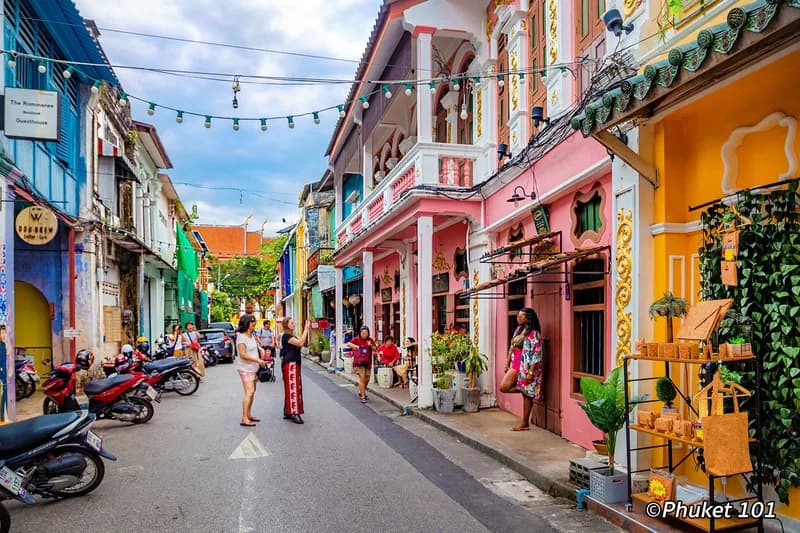
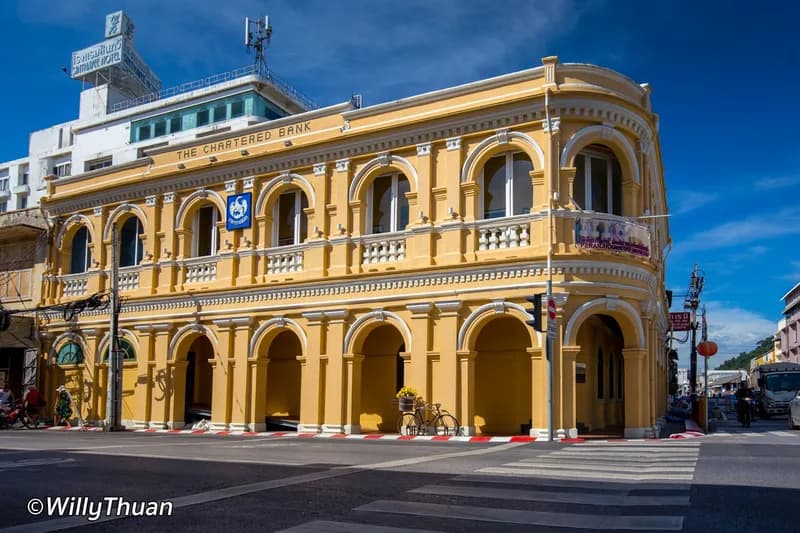
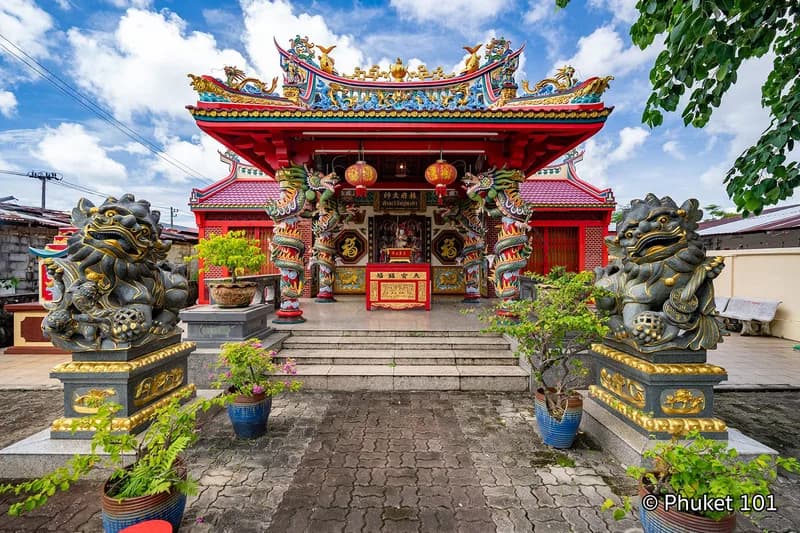
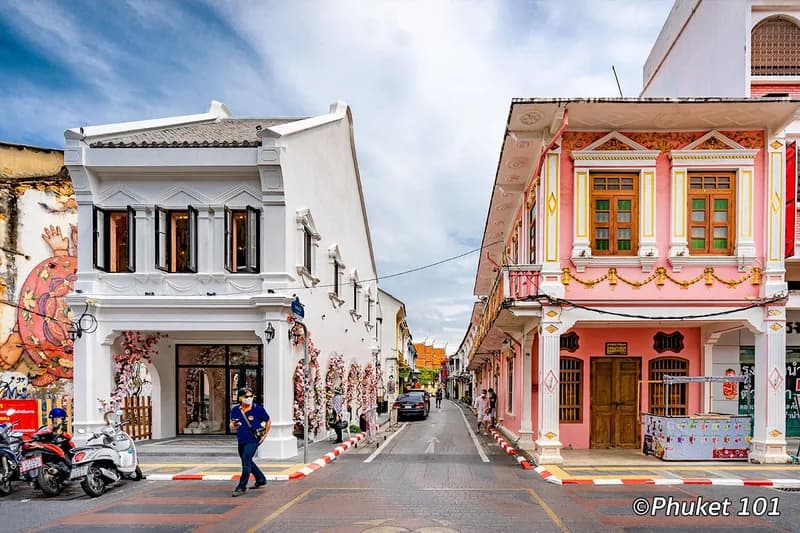
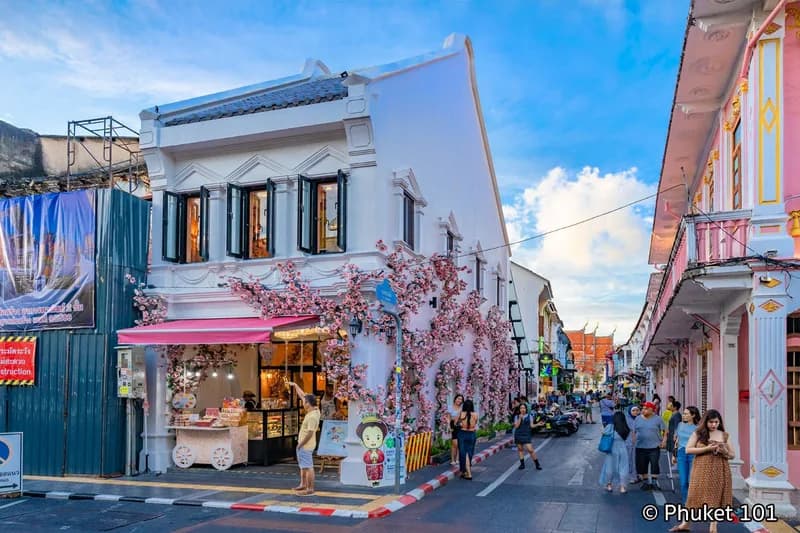
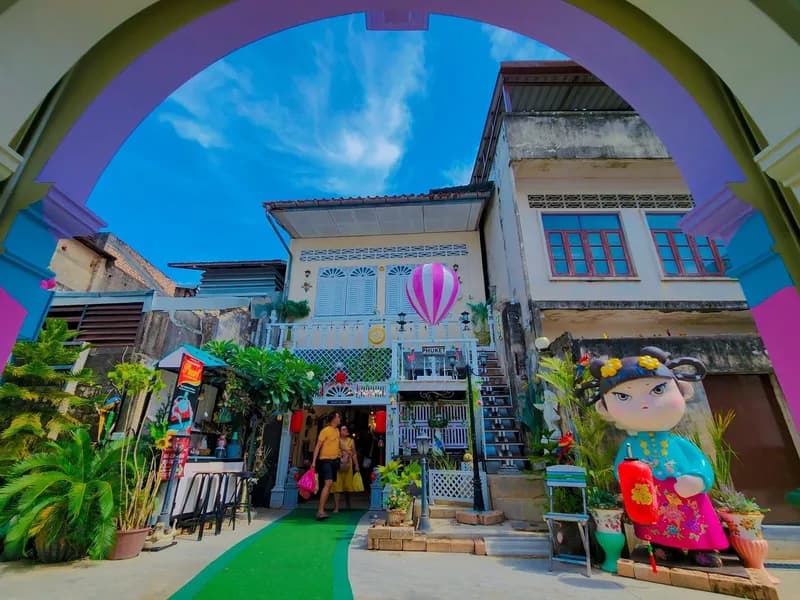
Much of the Old Town, with its Sino-Portuguese shophouses on Thalang and Phang Nga roads, lies in Talat Yai and has a page of its own. Around it is a working town: Chinese shrines that lead the Vegetarian Festival every October, Buddhist temples, the island's main public and private hospitals, markets and malls, and Saphan Hin, the seafront park where the town comes out in the evening.
Phuket City had about 80,000 registered residents in 2018. Thais, Chinese-Thai families and a growing number of foreigners who prefer town life to the beach live here; the nearest beaches are 20 to 30 minutes away by road.
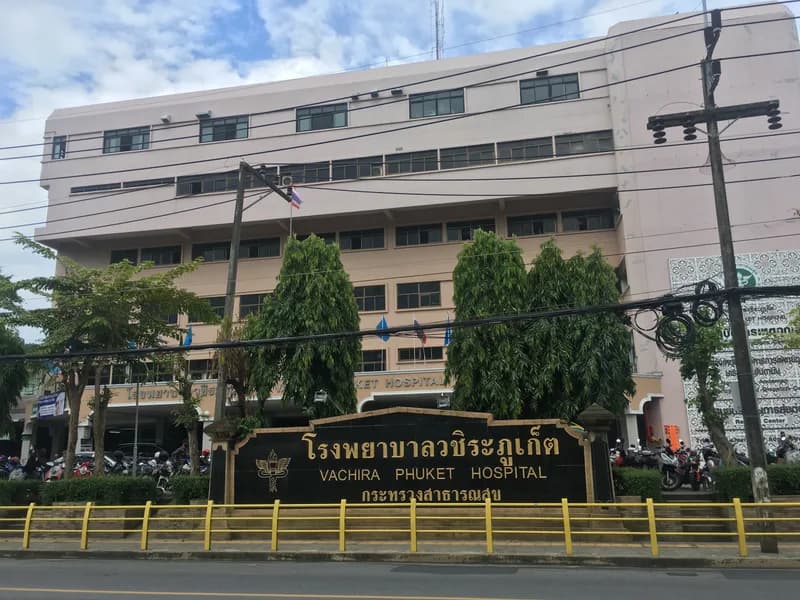
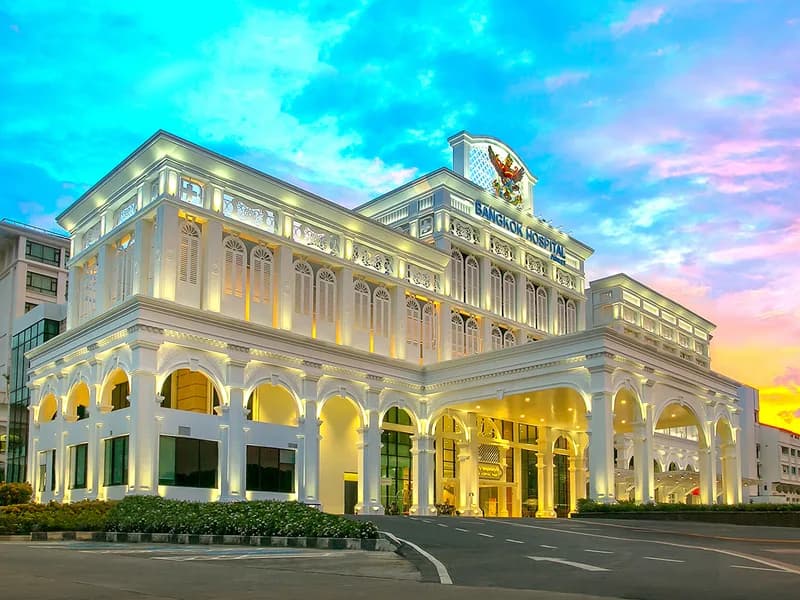
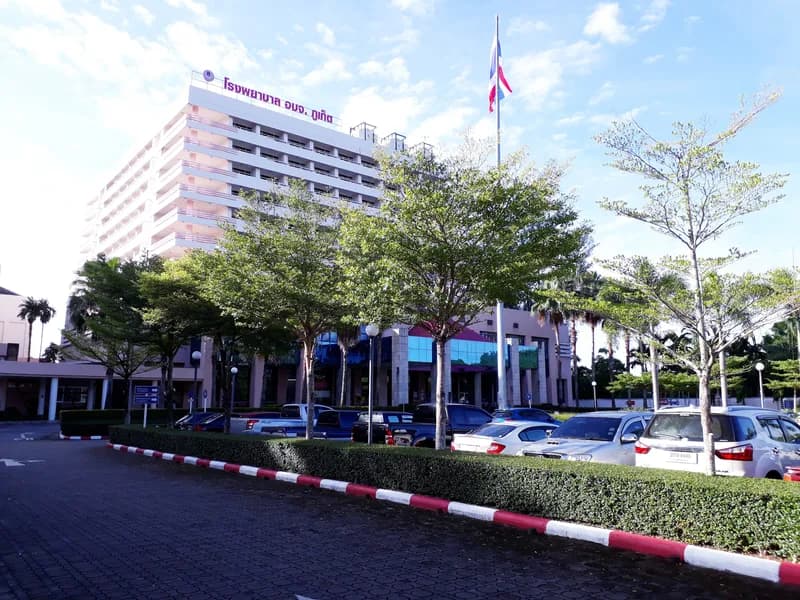
Vachira Phuket, the main public hospital, and Bangkok Hospital Phuket are both open 24 hours; the provincial hospital, banks, government offices and wholesale stores are close by.
A flat, car-free loop of about 3 km along the sea, busy with runners before 08:00 and with families, food carts and fairs after 17:00.
Kanom jin noodles for breakfast, night-market stalls and family restaurants; the Old Town's Michelin-listed kitchens are a short walk away.
The airport bus ends at Phuket Bus Terminal 1, the Smart Bus to Patong starts there, and the Dragon Line loops the Old Town every 15 to 30 minutes for 20 THB a ride.
A raised boardwalk leads through the mangrove forest at Saphan Hin, a few minutes from the shrines and markets.
Culture
Sino-Portuguese shophouses, mansions, cafés and street art on Thalang and Phang Nga roads and around Soi Romanee; half a day on foot is enough for a first walk. The Old Town has a page of its own.
Culture
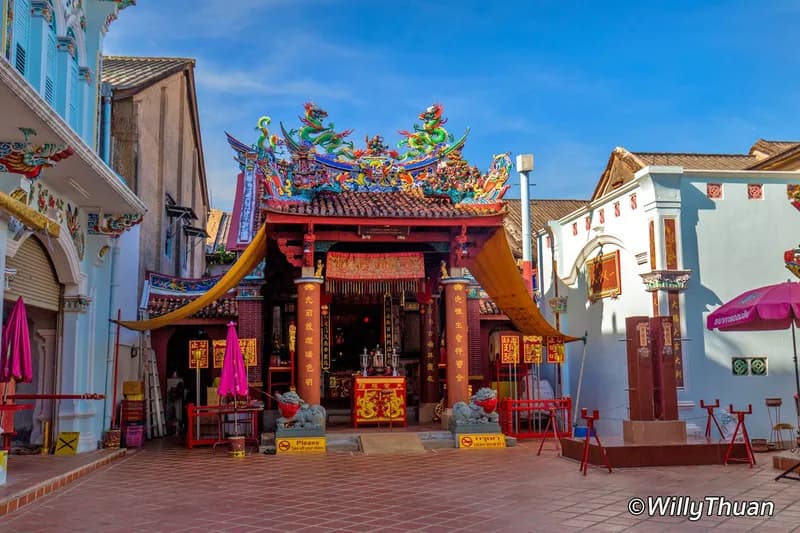
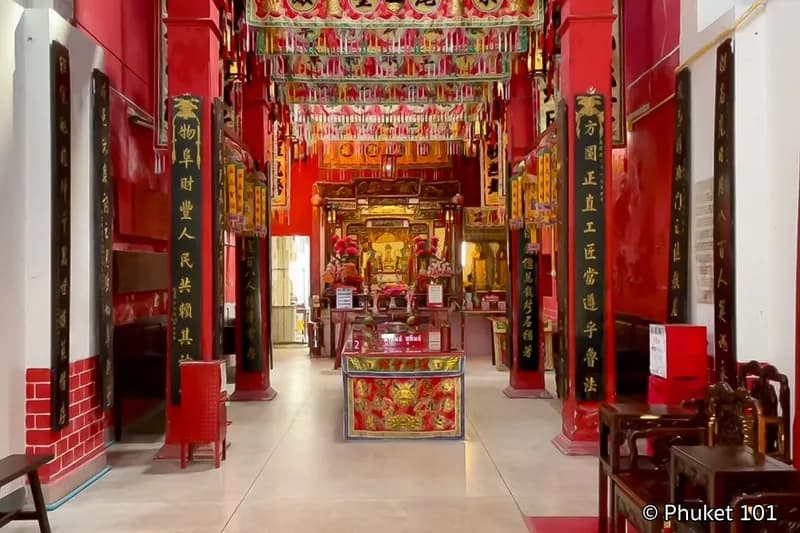
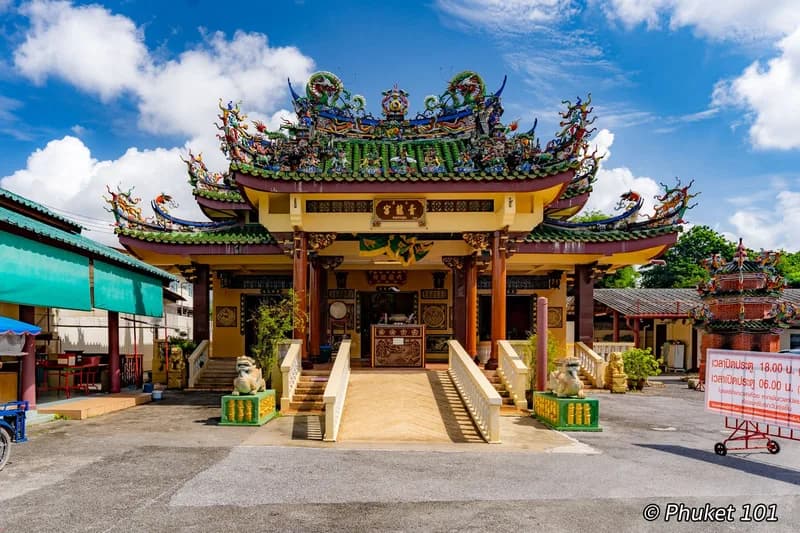
A family shrine of 1891 in a courtyard behind Phang Nga Road, with its old wall paintings and ceramic roof. Free, 08:30 to 17:30.
Culture
Bought in 1910 by more than 180 Hainanese immigrants as a refuge for newcomers, now a shrine on Thalang Road with Hainanese antiques and the Goddess of the Sea.
Culture
A small, free museum of Phuket's Baba heritage at Phang Nga and Phuket roads, opposite the old police station's clock tower. Monday to Saturday, 10:00 to 20:00.
Culture
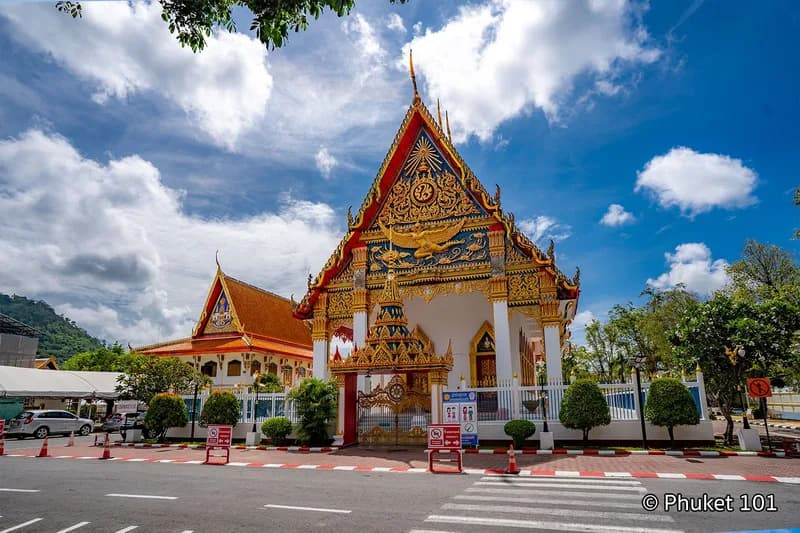
A large working temple in the town centre, with two ornate halls, a school for novices and a tall chedi at the back. Free.
Culture
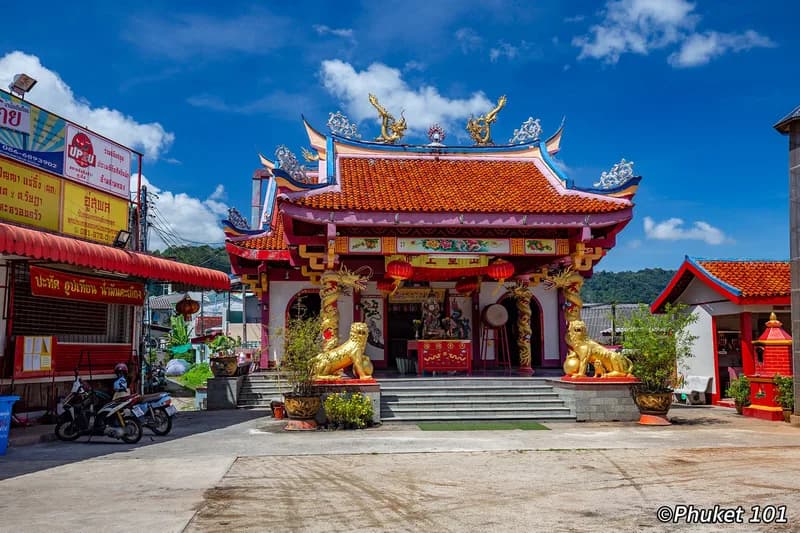
First built in 1904 at the Bang Neow crossroads and dedicated to the mother of the Nine Emperor Gods; one of the largest venues of the Vegetarian Festival.
Culture
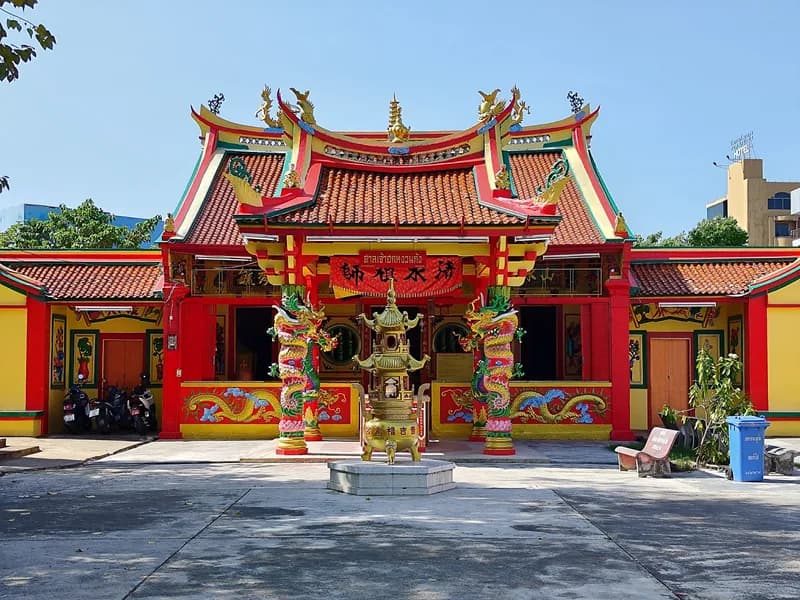
Jeng Ong, down a lane opposite the main hospital, packs its altars tiers deep and hosts three of the festival's main rites; Sam Kong runs a procession of its own.
Culture
Near the Surin circle, home of Jor Su Kong, the black-faced deity the tin miners brought from Quanzhou. Daily 08:00 to 18:00, free.
Culture
A temple of 2012 built on nine levels, one for each step to enlightenment; its quiet original ordination hall of 1968 is 300 m away down a lane.
Culture
A town temple of 1918 on Narisorn Road, climbing its hill in three levels to the hall of Luang Pho Khao, a white Buddha much visited by locals. Free.
Sport
The town's seafront: a 3 km car-free loop for runs and walks, a mangrove boardwalk, a mini funfair and the venue for Loy Krathong, Songkran and the Thailand Biennale's sculptures.
Culture
The waterfront shrine at Saphan Hin, free and open daily; on the Vegetarian Festival's last evening the gods of every shrine are sent off from its shore.
Food and drink
Cold rice noodles with curry at Kanom Jin Saphan Hin, 07:00 to 17:00; after dark, the carts along the seafront sell grilled chicken, som tam, noodles and shaved ice.
Shopping
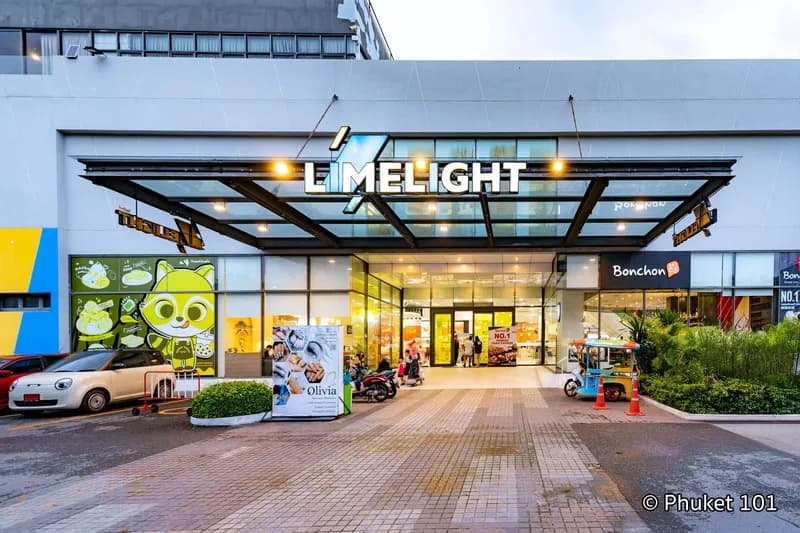
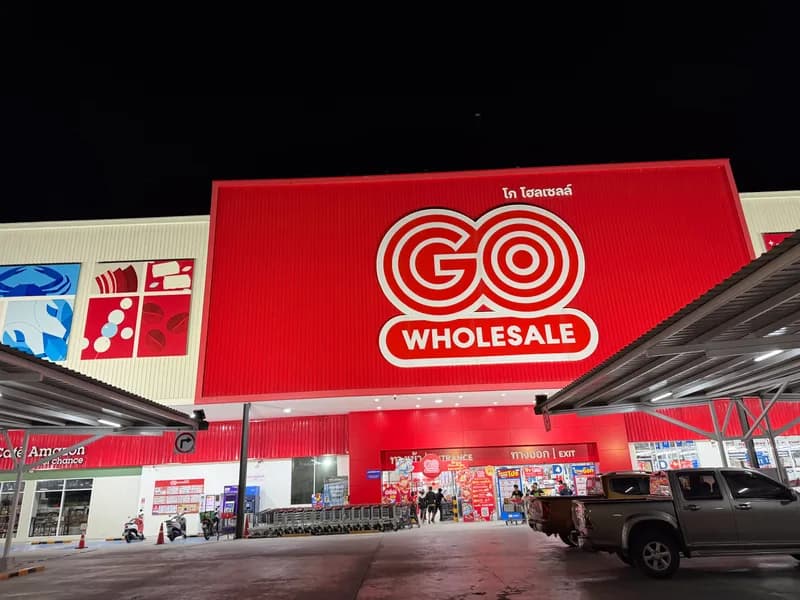
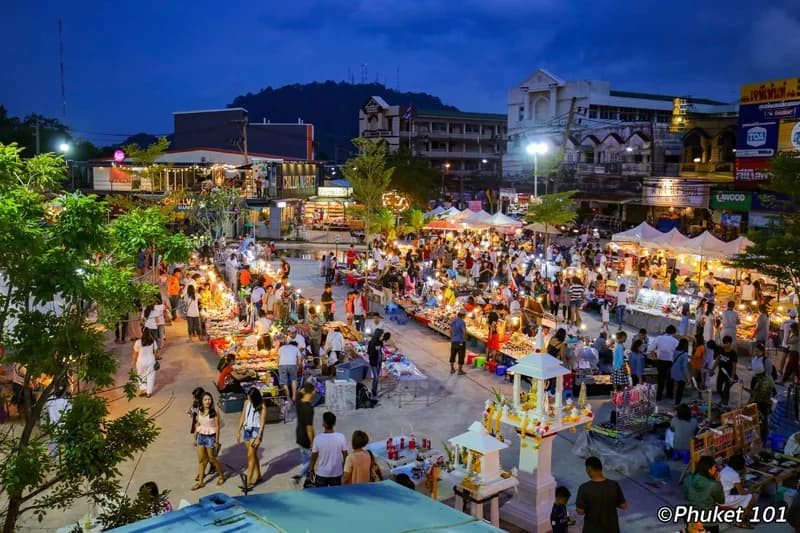
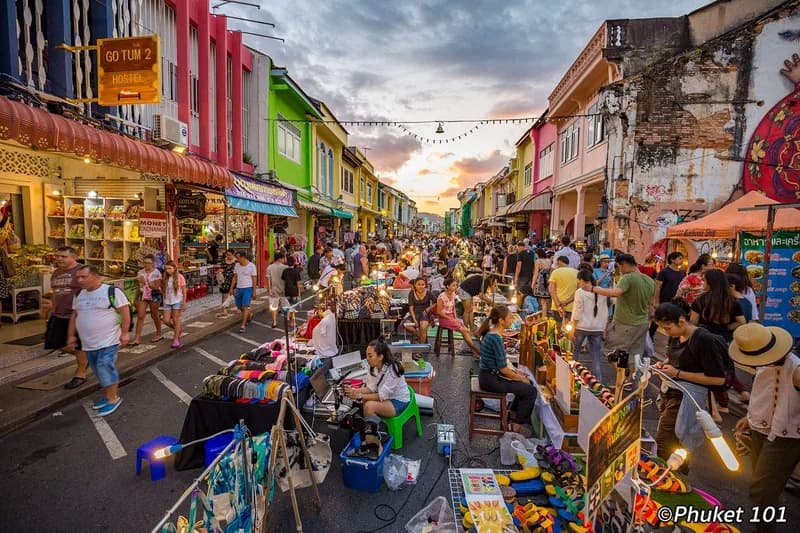
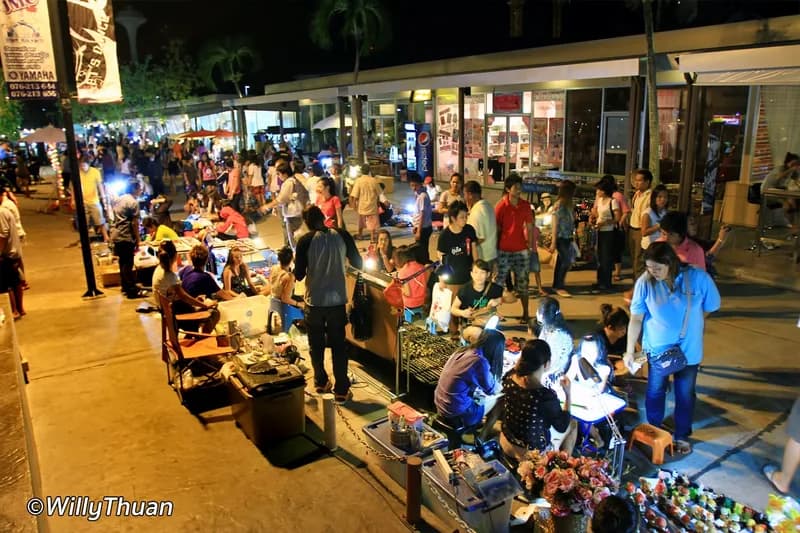
Sunday Walking Street on Thalang Road (16:00 to 21:00), the Indy Night Market outside Limelight from Wednesday to Friday, and GO Wholesale for bulk shopping.
A lap of Saphan Hin's 3 km loop before 08:00, then kanom jin noodles for breakfast. Saphan Hin
The Shrine of the Serene Light when it opens at 08:30, then the Hainan Shrine on Thalang Road. Shrine of the Serene Light
Museum Phuket and the clock tower across the street, then lunch in the Old Town. Museum Phuket
Wat Mongkol Nimit's halls, then Bang Neow Shrine at its crossroads. Bang Neow Shrine
After 17:00 families spread mats, food carts arrive and the waterfront shrine lights up. Kio Thian Keng Shrine (Saphan Hin)
The Indy Night Market outside Limelight from Wednesday to Friday, or Sunday Walking Street on Thalang Road. Limelight Phuket

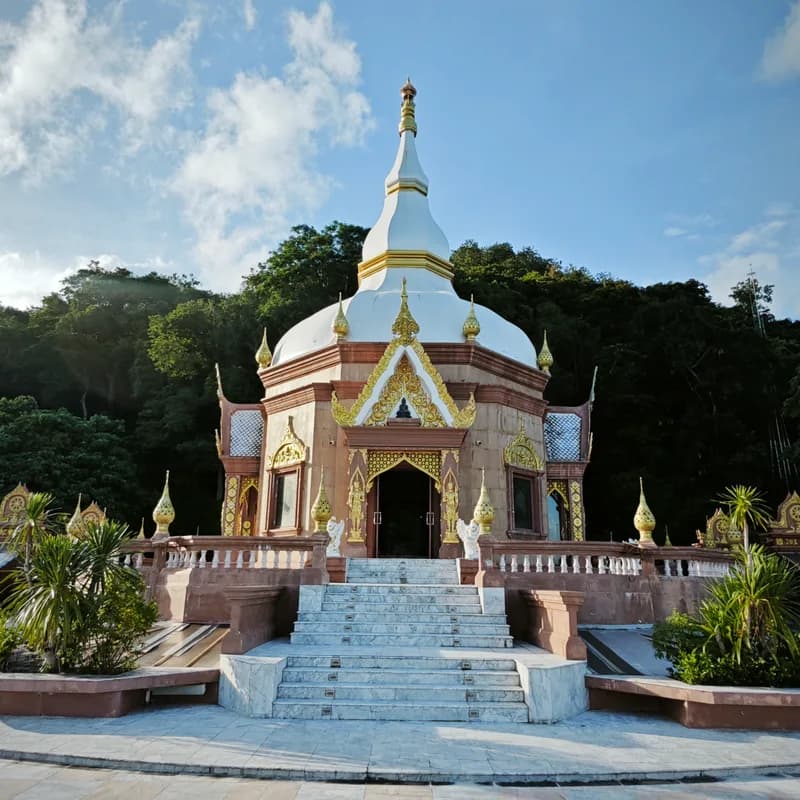
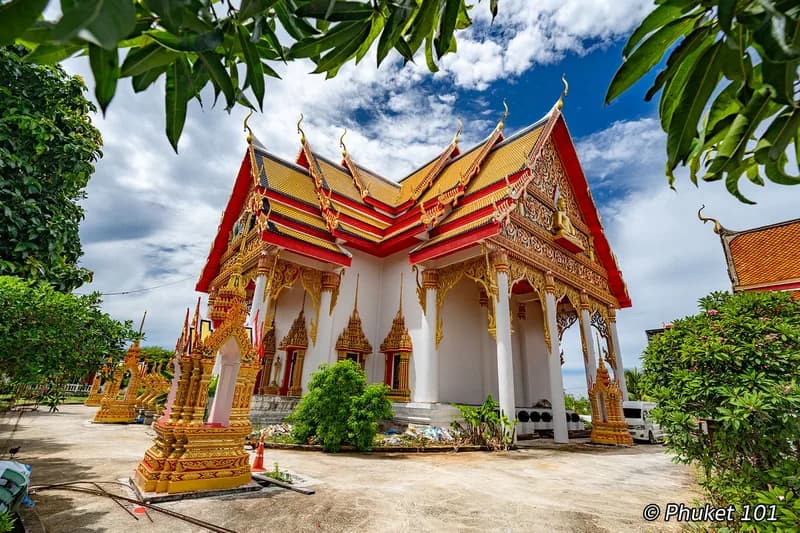
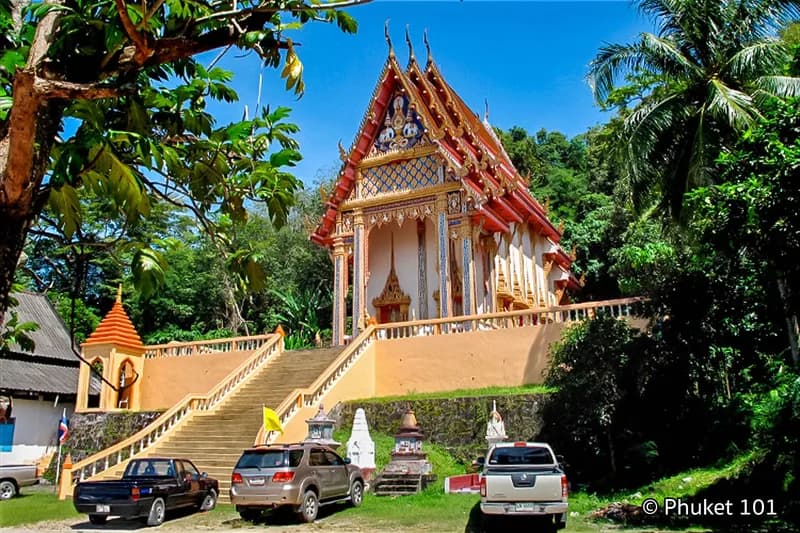

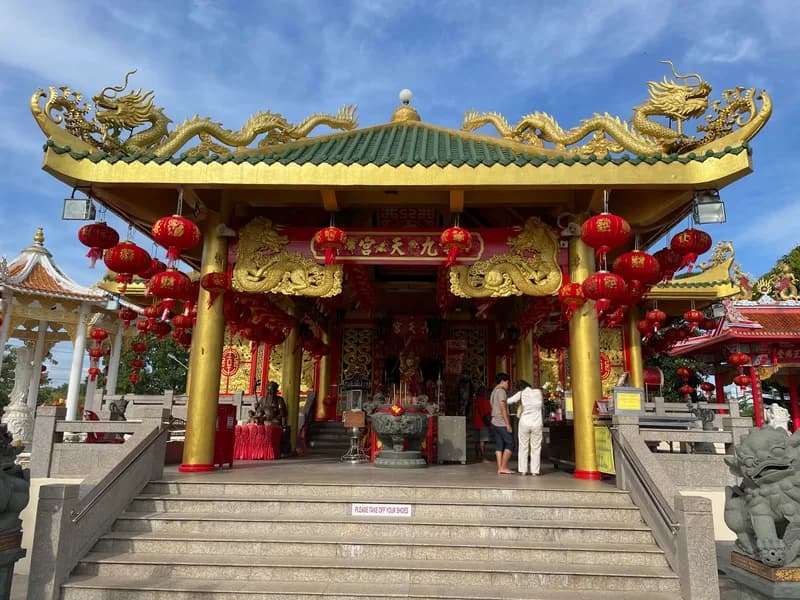

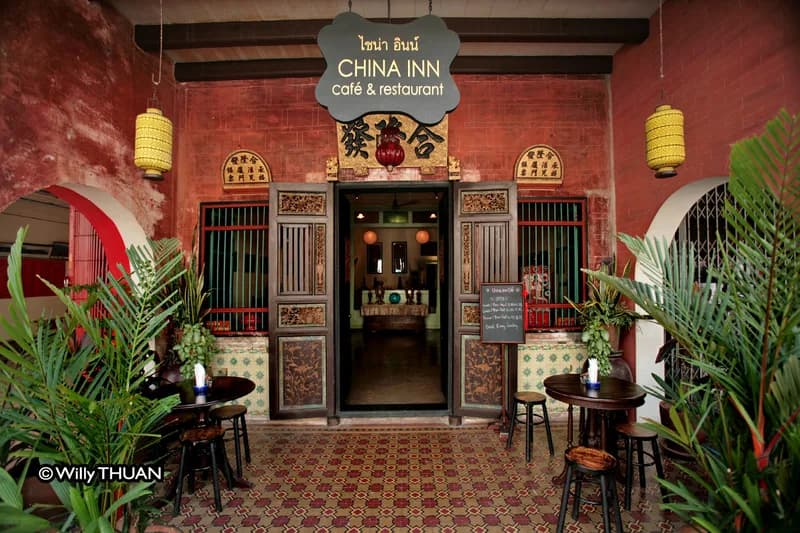
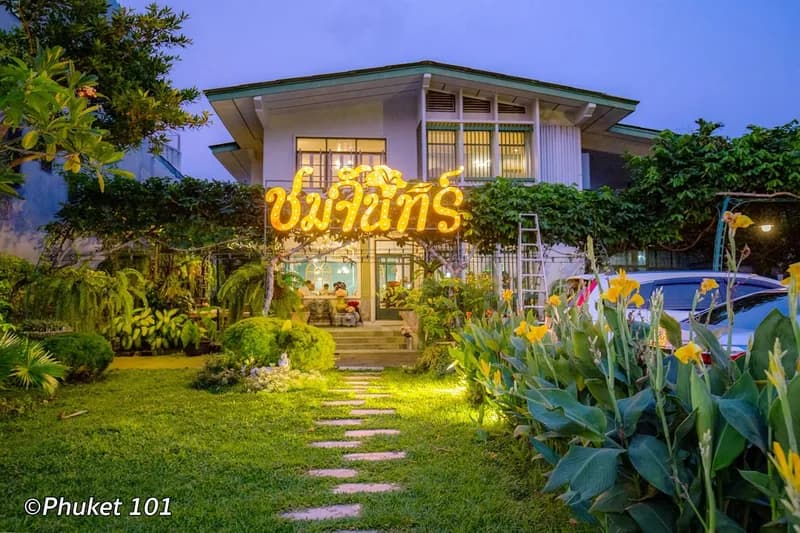
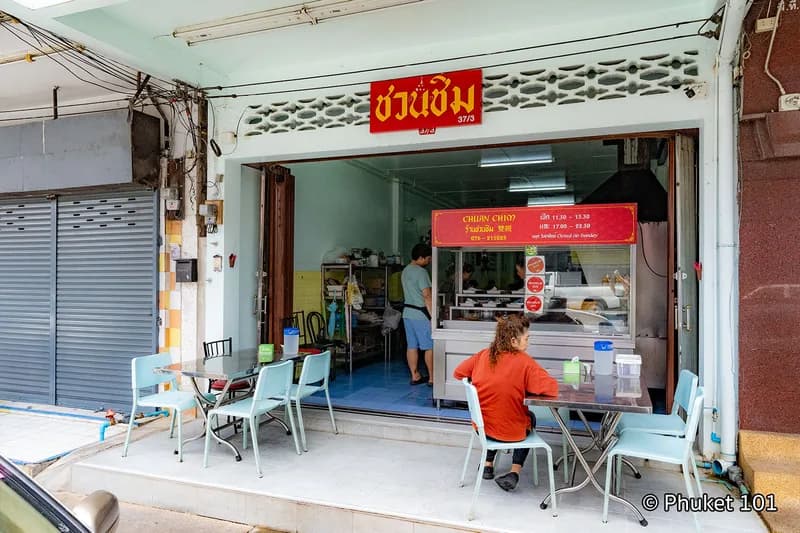
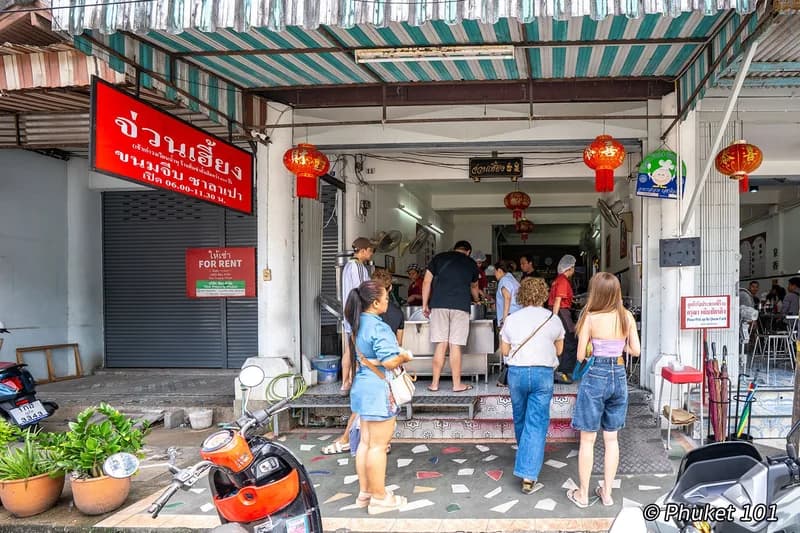


Chinese shrine
Chinese shrine
Buddhist temple
Chinese shrine
Chinese shrine
Chinese shrine
Chinese shrine
Buddhist temple
Buddhist temple
Buddhist temple
Chinese shrine
Chinese shrine
Landmark
Landmark
Museum
Park
Restaurant
Restaurant
Restaurant
Restaurant
Local eatery
Restaurant
Restaurant
Restaurant
Seafood restaurant
Restaurant
Local eatery
Restaurant
Restaurant
Restaurant
Restaurant
Local eatery
Restaurant
Local eatery
Local eatery
Local eatery
Restaurant
Local eatery
Restaurant
Restaurant
Restaurant
Restaurant
Seafood restaurant
Restaurant
Local eatery
Local eatery
Local eatery
Restaurant
Restaurant
Restaurant
Restaurant
Restaurant
Local eatery
Restaurant
Local eatery
Local eatery
Restaurant
Local eatery
Restaurant
Restaurant
Restaurant
Local eatery
Restaurant
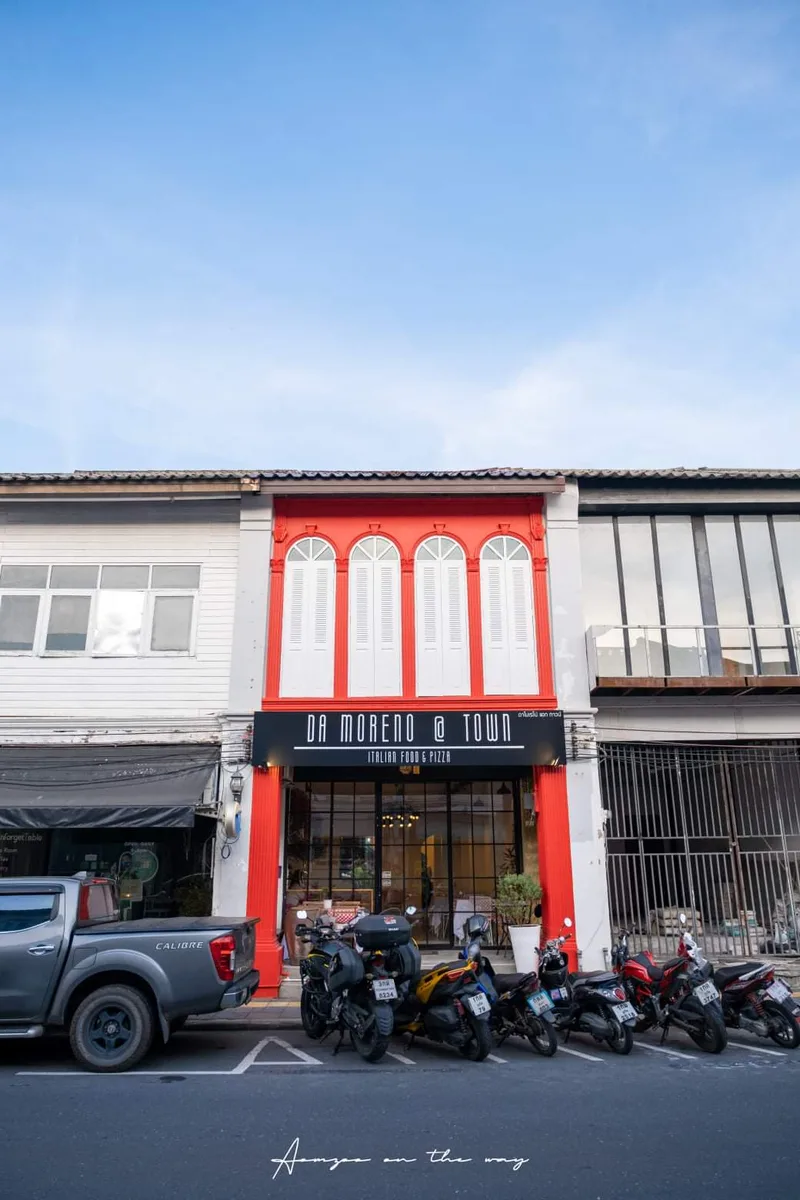
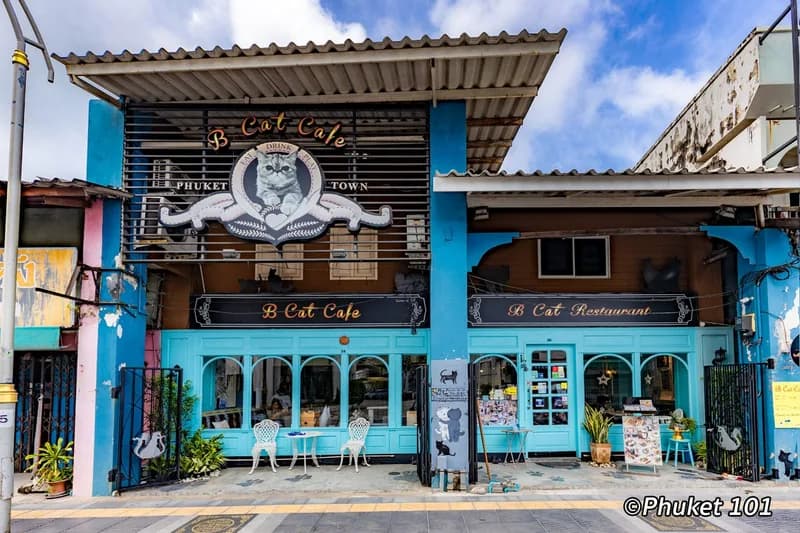
Café
Café
Café
Café
Café
Café
Café
Café
Café
Café
Café
Café
Bakery
Café
Bakery
Bakery
Shopping mall
Wholesale store
Night market
Walking street
Night market
Specialty market
Night market
Fresh market
Walking street
Hospital
Hospital
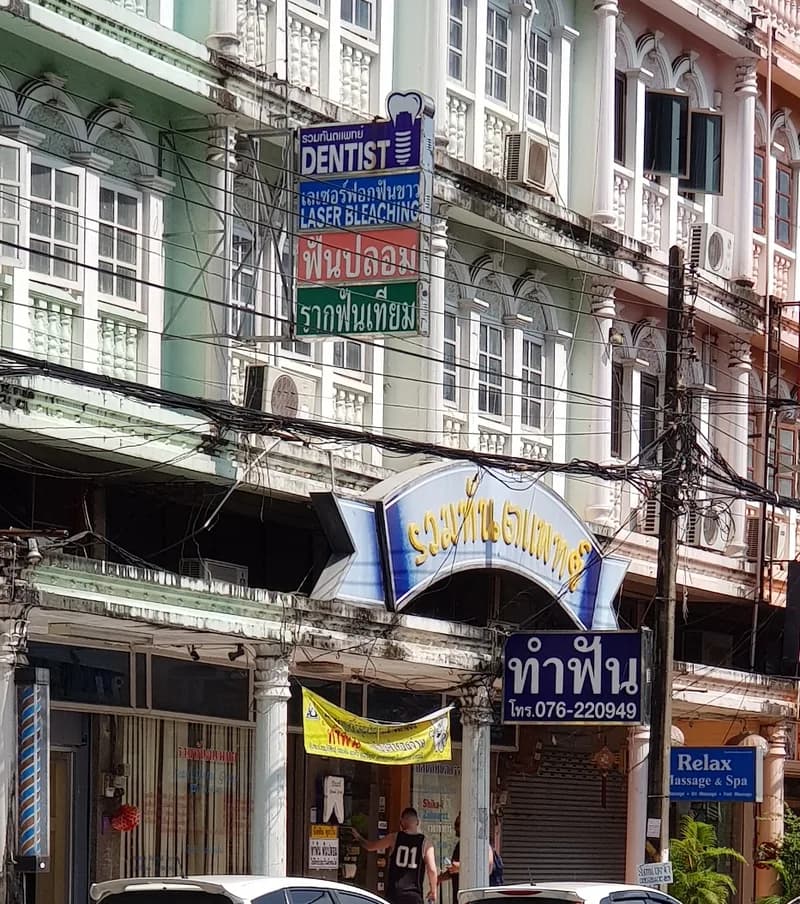
Dental clinic
Dental clinic
Dental clinic
Serviced office
Muay Thai camp
Badminton courts
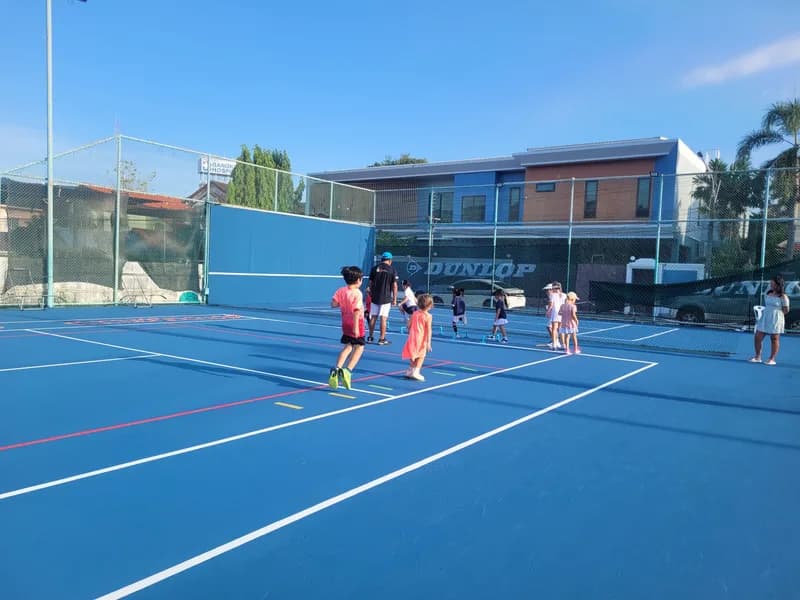
Tennis courts
Swimming pool
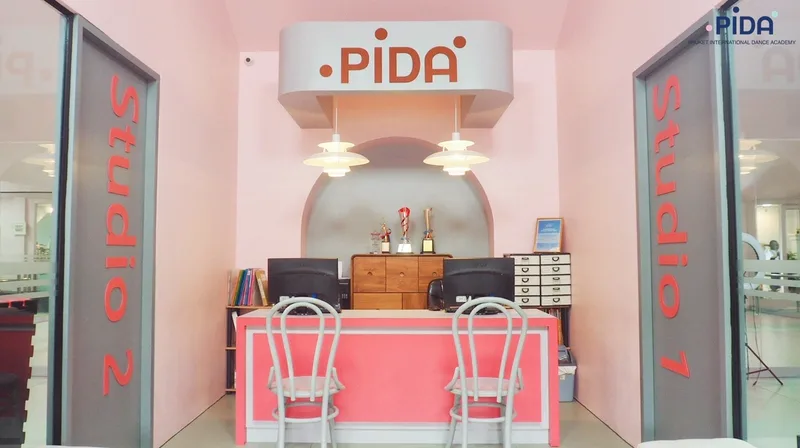
Dance studio
Dance studio
Dance studio
Shophouses, older condos, townhouses and converted heritage buildings, with family houses on the lanes away from the centre. Rents are among the lowest on the island: about 12,000 THB a month for a studio and up to 25,000 THB for a one-bedroom (2026).
December to March: the hot, dry months by the municipality's count, and the best time for walking the old streets and the shrines in the cooler mornings and evenings.
April to November: rain, often in short heavy showers. For nine days in October the Vegetarian Festival fills the shrines and streets with processions and firecrackers (10 to 18 October in 2026), ending at Saphan Hin on the last evening.
Talat Yai is a practical base for families who need hospitals, shops and services more than a beach. International schools are few in town: most families who live here drive to schools in Chalong, Wichit or Kathu.
Talat Yai is the centre of Phuket Town, about 30 km from the airport and 14 km from Patong. The airport bus ends at Phuket Bus Terminal 1 in town, the Smart Bus to Patong starts there, and the Dragon Line bus (20 THB) loops the Old Town.
Parking. Hard in the Old Town's narrow streets: use the municipal car parks or a mall's. Saphan Hin has its own parking, which fills during festivals.
Saphan Hin's loop is best before 08:00 or after 16:00; by evening it fills with families and food carts.
The Shrine of the Serene Light opens 08:30 to 17:30 and Hok Nguan Kong 08:00 to 18:00.
It is open Monday to Saturday, 10:00 to 20:00, and free.
Thalang Road becomes the Sunday Walking Street from 16:00 to 21:00.
The mall has its own car park, a good base for a walk, and the Indy Night Market sets up outside from Wednesday to Friday.
The Old Town bus costs 20 THB a ride since early 2026 and comes every 15 to 30 minutes, 11:00 to 22:00, from Limelight Avenue.
Bangkok Hospital Phuket's international team offers interpreters in sixteen languages and direct billing with insurers.
In October 2026 (10 to 18) each big shrine runs its own processions; Saphan Hin's parking fills on the last evening.
No. Talat Yai is the subdistrict that makes up the southern half of Phuket City. Much of the Old Town lies inside it, but it also covers the shrines, temples, hospitals and Saphan Hin's seafront. The Old Town has a page of its own.
Phuket Town's seafront park: a flat 3 km car-free loop, a mangrove boardwalk, a funfair, food carts every evening and the venue for Loy Krathong, Songkran and the festival's last night.
From 10 to 18 October 2026. Bang Neow, Jeng Ong and Sam Kong are among the busiest shrines in town, and on the last evening the gods are sent off from the Kio Thian Keng shrine at Saphan Hin.
Vachira Phuket, the island's main public hospital with about 600 beds, and Bangkok Hospital Phuket, a private hospital, are both open 24 hours; the provincial administration's hospital is on the road to Rassada Pier.
By taxi or ride app in 30 to 45 minutes, or on the orange airport bus to Bus Terminal 1, about 1.5 hours for 100 THB (2026).
Smart Bus route 2 leaves Bus Terminal 1 hourly from 06:00 to 20:00 for 50 THB (2026); a taxi takes 25 to 40 minutes over the hill.
About 12,000 THB a month for a studio and 12,000 to 25,000 THB for a one-bedroom (2026), well below the coast.
No. Saphan Hin is a seafront park, not a swimming beach; the nearest beaches are 20 to 30 minutes away by road.