The dry season
December to March: the hot, dry months by the municipality's count, and the best time to walk the old streets in the cooler mornings and evenings.
District
Ranong Road's dawn market and blue buses, Jui Tui Shrine, Krabi Road's museums and mansions, and the town's big park, in the smaller of Phuket City's two subdistricts.
Talat Nuea, 'the northern market', is the smaller of the two subdistricts that make up Phuket City: 4 km² and six communities, against Talat Yai's 8.56 km² to the south. Together they form the provincial capital, which borders Ratsada to the north and east and Wichit to the south and west.
The subdistrict takes in the northern and western streets of the old town. Ranong Road holds the town's oldest fresh market, the blue-bus station for the beaches and Jui Tui Shrine; Krabi Road has the Thai Hua Museum, Baan Chinpracha and the Sam San shrine. The land is a low plain at the foot of Khao Rang, the hill on the town's northern edge.
It is a working part of town rather than a resort: traders, schools, shrines and shophouses, busiest before dawn when farmers bring produce to the market. For nine days each October the Vegetarian Festival fills its shrines and streets with processions and firecrackers. Suan Luang, the town's big park, lies on its south-western side.
Open from midnight to noon, busiest from about 03:00 to 07:00 when farmers arrive; across the road, Lor Rong market cooks Hokkien-rooted Phuket dishes from 06:00 to 16:00.
The Thai Hua Museum, the lived-in Baan Chinpracha mansion and the 1853 Sam San shrine lie within a short walk of each other.
Blue buses to Patong and the other beaches leave from beside Ranong Market every 30 minutes or so, 06:00 to 18:00.
The town's big public park on Chao Fa Road, for running, walking and open-air exercise classes; entry and parking are free.
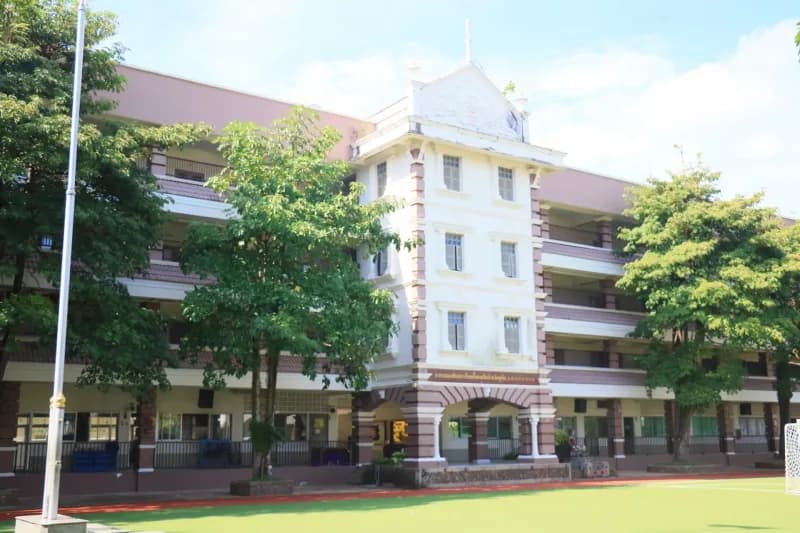
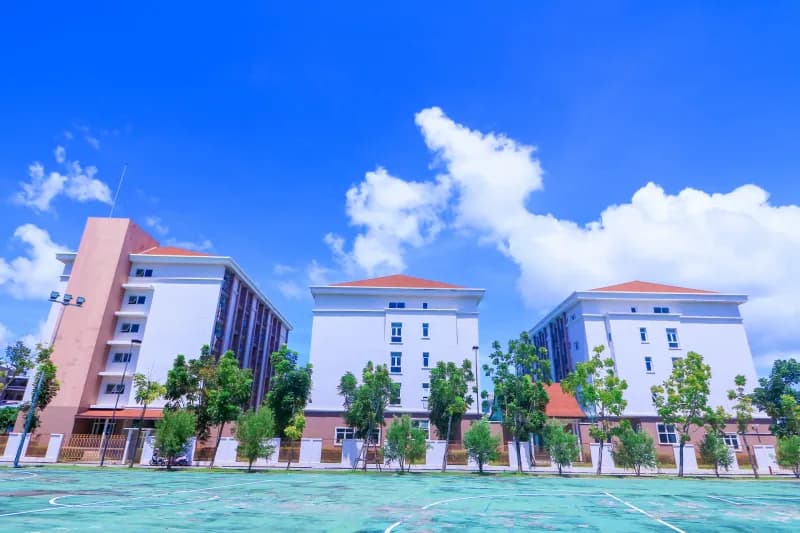
A Thai–Chinese school on Wichitsongkram Road, from kindergarten to high school, teaching in English and Chinese with four IB programmes.
Culture
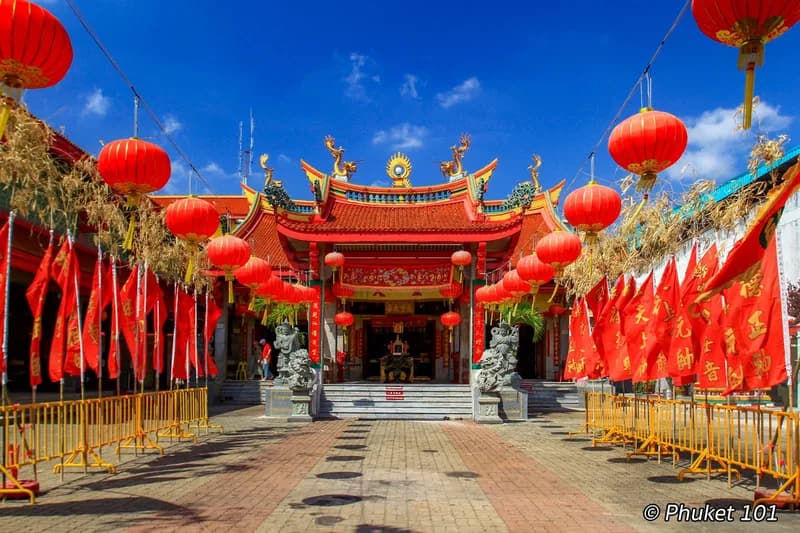
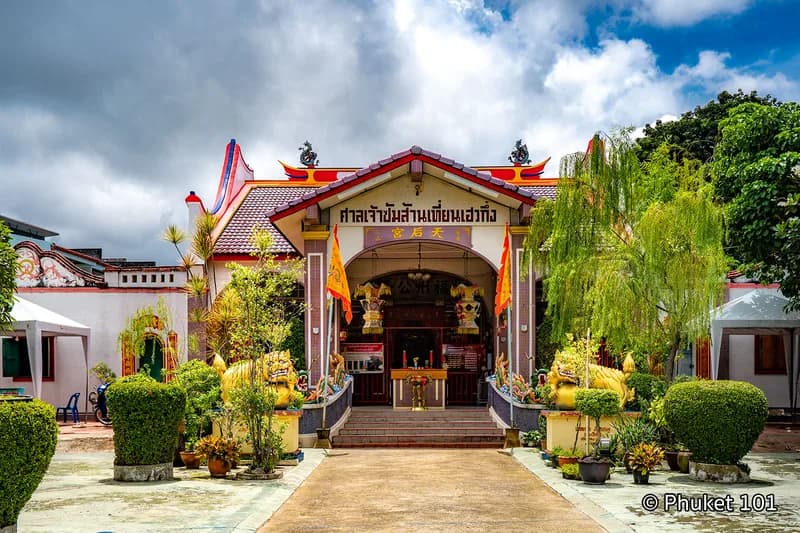
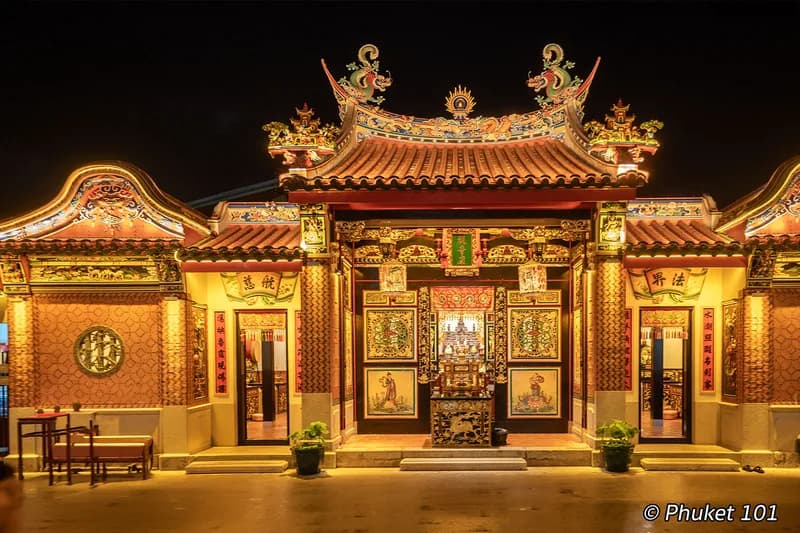
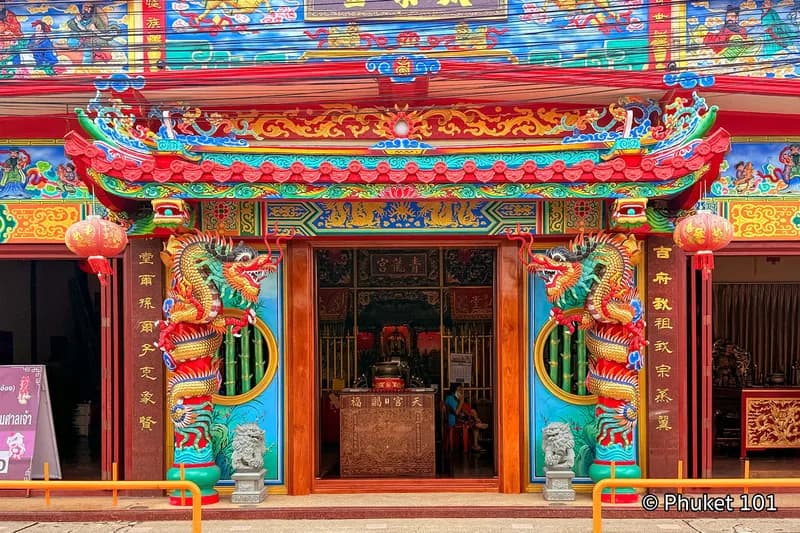
A busy Chinese shrine on Ranong Road, rebuilt here after a fire in 1907; free, and the heart of the Vegetarian Festival's processions in October.
Culture
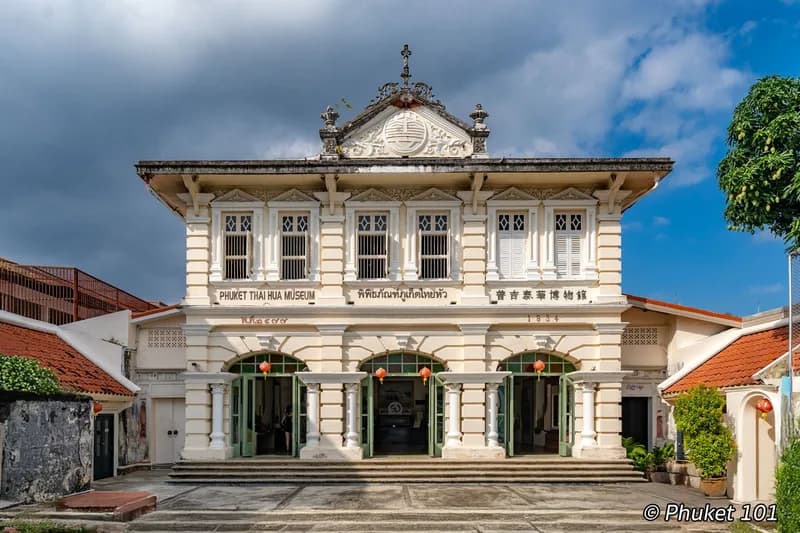
The story of Phuket's Chinese immigrants in photos, films and original papers, on Krabi Road; 09:00 to 17:00, closed on Mondays, 200 THB.
Culture
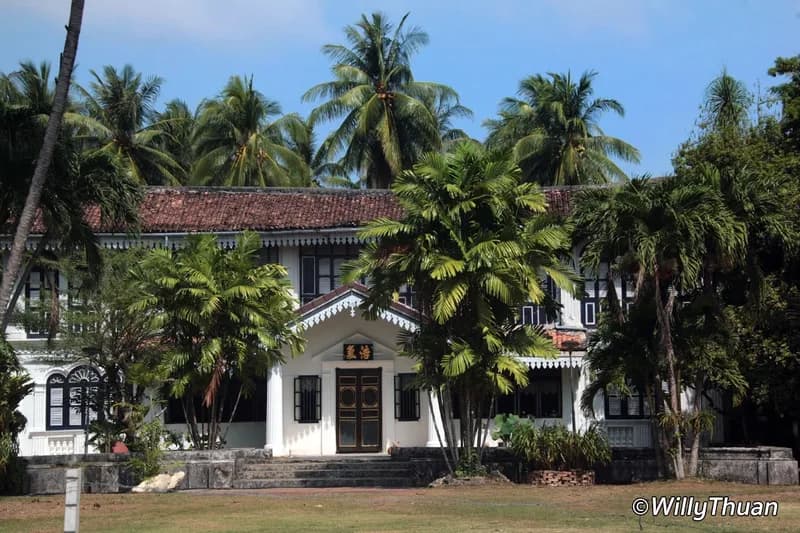
A Sino-Portuguese mansion on Krabi Road that its family still lives in and opens to visitors, 09:00 to 16:30, for 150 THB.
Food and drink
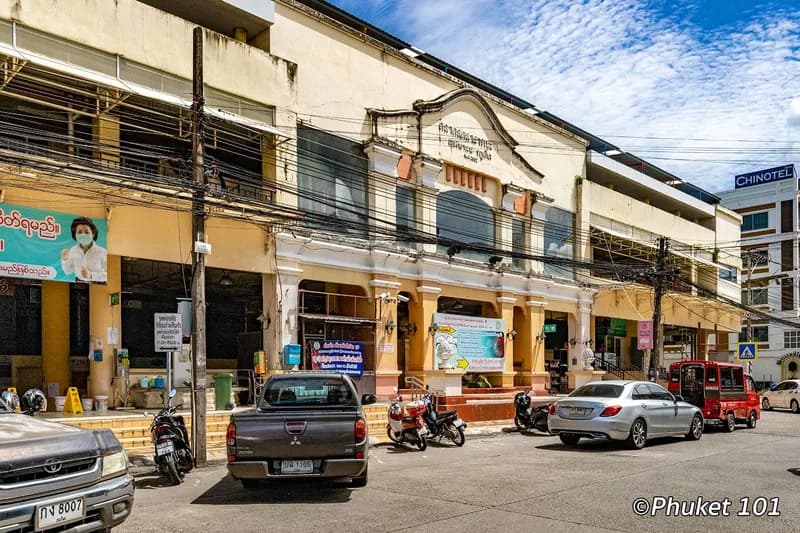
The town's oldest and largest fresh market, at its busiest from 03:00 to 07:00; produce, seafood, meat, dried goods and ready-made food.
Food and drink
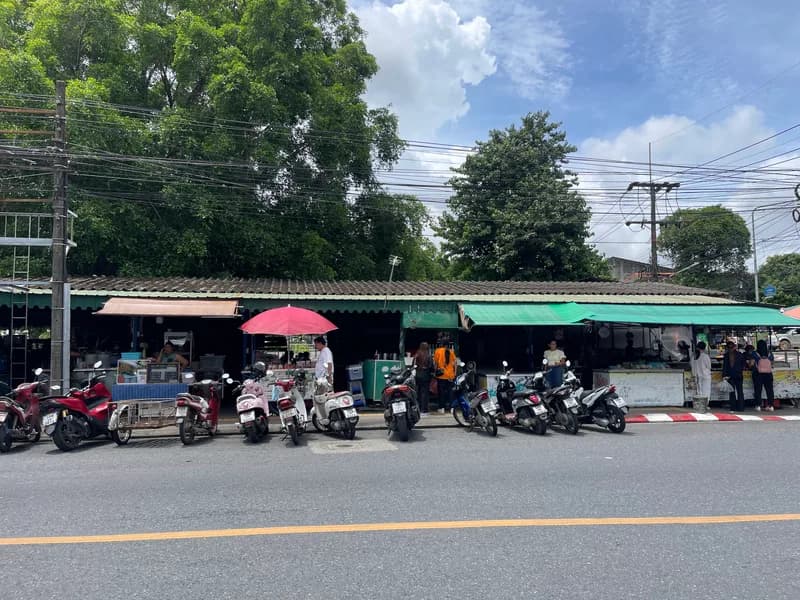
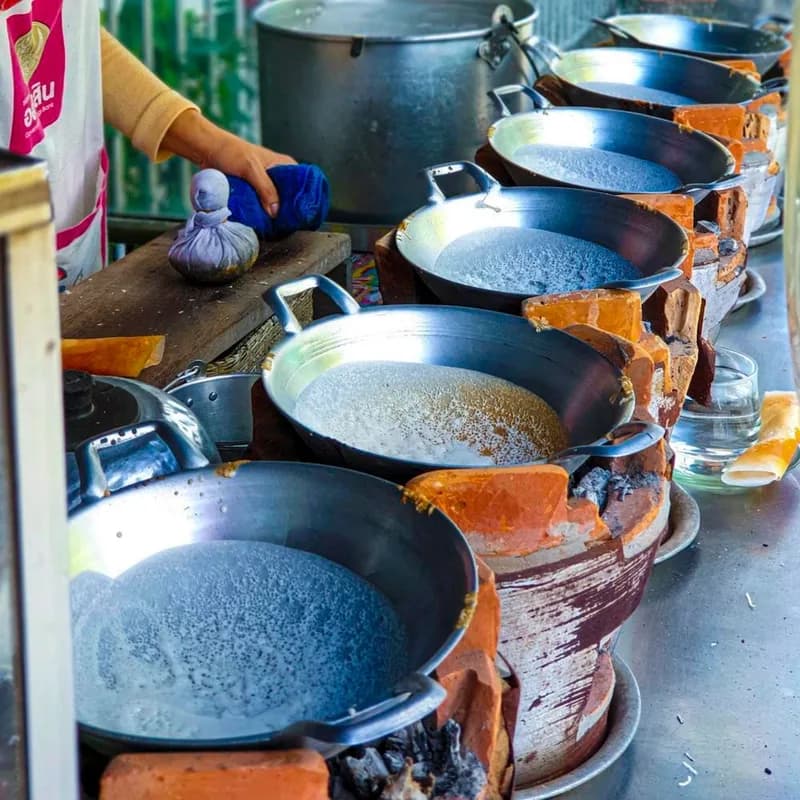
About a dozen stalls cooking popiah, mee hoon and other Phuket dishes with Hokkien roots that tourist restaurants rarely serve; 06:00 to 16:00.
Culture
A small shrine of 1853 on Krabi Road, founded by Chinese families who came for the tin mines, with red pillars and painted walls.
Culture
Steps flanked by two long gilded dragons at the foot of the road up Khao Rang, three gilded Buddhas inside and a terrace over the town's roofs.
Culture
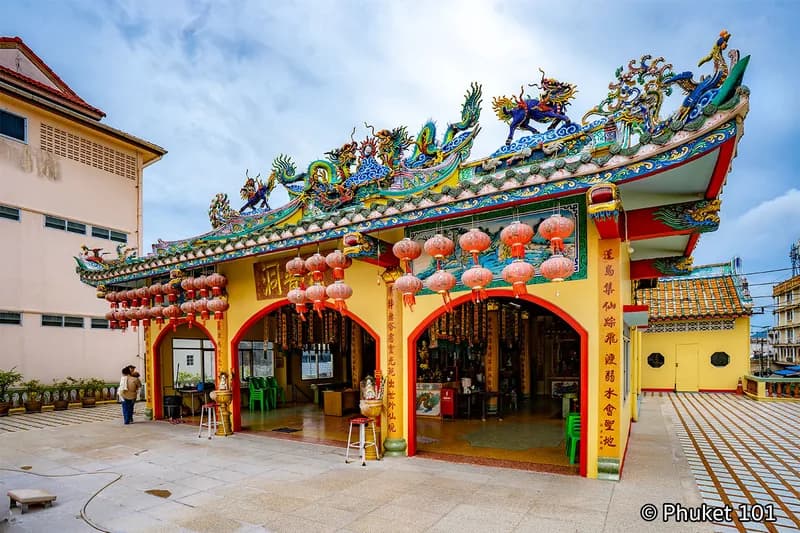
A shrine of 1967 with three arched gates and a forecourt of red lanterns; it runs its own procession, fire walk and bridge crossing in the festival.
Culture
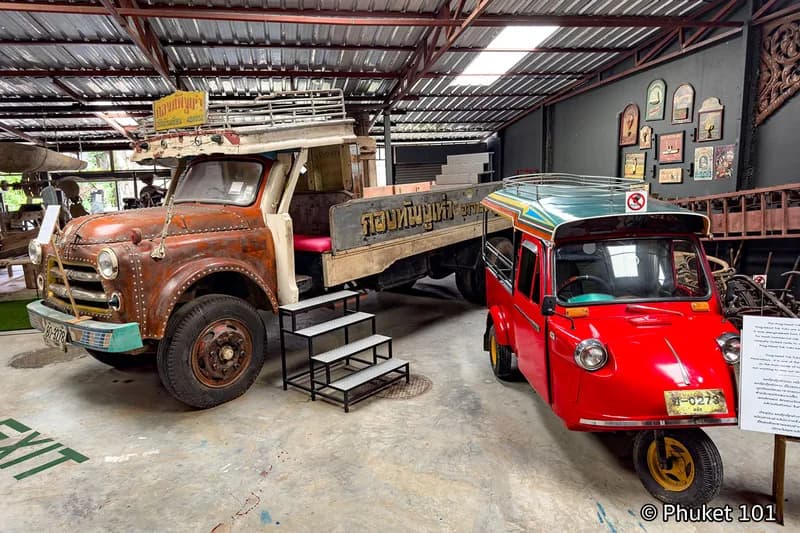
Objects from Phuket's tin-mining era and everyday life, inside the Thavorn Hotel of 1960 on Ratsada Road; 09:00 to 16:00, 120 THB.
Culture
A neighbourhood temple on Ranong Road by the market, with gilded chedis and a school in its grounds; free.
Sport
Running paths around the lake, open-air exercise classes in the evening, free entry and free parking.
Ranong Road market while the farmers' trucks are still unloading, then breakfast at Lor Rong's stalls when they open at 06:00. Ranong Road Market
Baan Chinpracha when it opens at 09:00, then the Sam San shrine down the road. Baan Chinpracha (Chinpracha House)
An hour or two on the island's Chinese history, out of the midday heat (closed on Mondays). Phuket Thai Hua Museum
Jui Tui Shrine and Wat Kajorn Rangsan, a few minutes apart. Jui Tui Shrine
Sam Sae Chu Hut's gilded dragons and its terrace over the town, at the foot of Khao Rang. Sam Sae Chu Hut Shrine
Suan Luang's lake paths and open-air exercise classes as the heat goes. Suan Luang Park (King Rama IX Park)










Chinese shrine
Chinese shrine
Chinese shrine
Chinese shrine
Buddhist temple
Chinese shrine
Chinese shrine
Museum
Museum
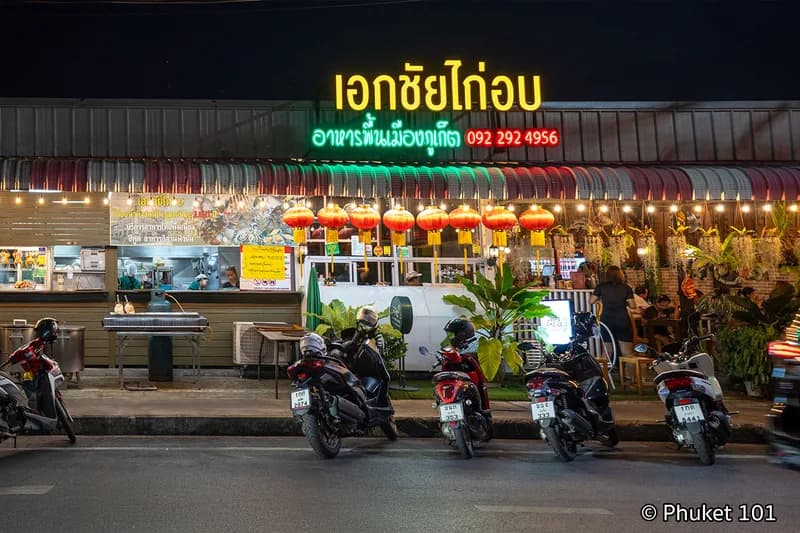
Local eatery
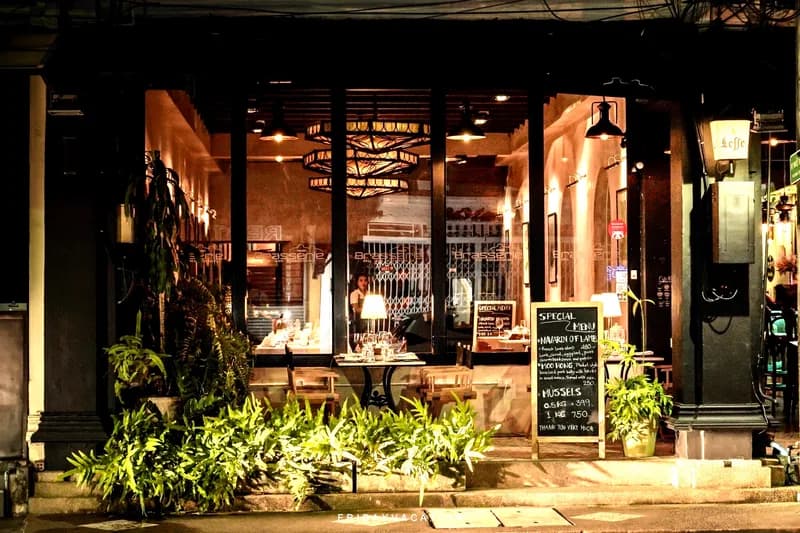
Fine dining
Restaurant
Restaurant
Restaurant
Restaurant
Local eatery
Restaurant
Local eatery
Restaurant
Restaurant
Restaurant
Local eatery
Local eatery
Food court
Restaurant
Local eatery
Local eatery
Local eatery
Restaurant
Local eatery
Local eatery
Restaurant
Local eatery
Restaurant
Restaurant
Local eatery
Restaurant
Restaurant
Local eatery
Restaurant
Café
Café
Café
Café
Café
Bakery
Fresh market
Fresh market
Dental clinic
Pharmacy
Kids' club
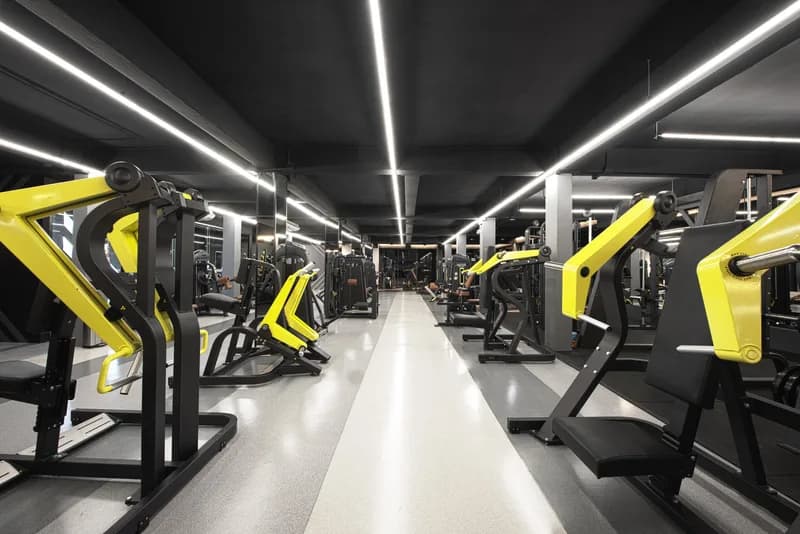
Gym
Shophouses and townhouses, older condos and apartments, and family houses on the lanes towards Khao Rang. Rents are among the lowest on the island: about 12,000 to 25,000 THB a month for a one-bedroom (2026).
December to March: the hot, dry months by the municipality's count, and the best time to walk the old streets in the cooler mornings and evenings.
April to November: rain, often in short heavy showers. For nine days in October the Vegetarian Festival fills Jui Tui and the other shrines with processions, opera and firecrackers (10 to 18 October in 2026).
Talat Nuea suits families who live in town for school and services more than for a beach: Phuket Thaihua ASEAN Wittaya teaches from kindergarten to high school in English and Chinese, Suan Luang Park is a short ride away, and the museums make a rainy-day plan.
Talat Nuea is the northern half of Phuket Town, about 30 km from the airport. Blue buses to the beaches leave from Ranong Market, the airport bus ends at Bus Terminal 1 nearby, and the Smart Bus to Patong starts there.
Parking. The inner streets are narrow, busy and often one-way: park at a mall or a municipal car park. Suan Luang Park's parking is free.
The museum opens 09:00 to 17:00 from Tuesday to Sunday; taking photos inside needs a separate 200 THB pass.
Ranong Road market is busiest from 03:00 to 07:00 and closes at noon.
Come for breakfast or lunch: the stalls cook from 06:00 and pack up in the afternoon.
The blue buses from Ranong Market stop around 18:00; after that, take the Smart Bus from Bus Terminal 1 or a car.
In October, the shrines' processions close streets and set off firecrackers; check the shrine's schedule and bring earplugs.
Thalang Road, just across in Talat Yai, becomes the Sunday Walking Street from 16:00 to 21:00.
Parking is free at both of the park's entrances.
No. Talat Nuea is the subdistrict that makes up the northern half of Phuket City. Part of the Old Town lies inside it, around Krabi Road and Ranong Road, and part in Talat Yai. The Old Town has a page of its own.
From beside Ranong Market on Ranong Road, about every 30 minutes from 06:00 to 18:00. The fare to Patong is 30 THB.
From 10 to 18 October 2026. Jui Tui on Ranong Road is one of its busiest shrines, with processions, opera and firecrackers; Sui Boon Tong holds its own fire walk.
From midnight to noon every day. It is busiest from about 03:00 to 07:00, when farmers bring their produce.
Phuket Thaihua ASEAN Wittaya is a Thai–Chinese school on Wichitsongkram Road that teaches in English and Chinese and runs the IB programmes from early years to the diploma. Most international schools are in Chalong, Wichit or Kathu.
A planning guide gives 12,000 to 25,000 THB a month for a one-bedroom in Phuket Town (July 2026), among the lowest rents on the island.