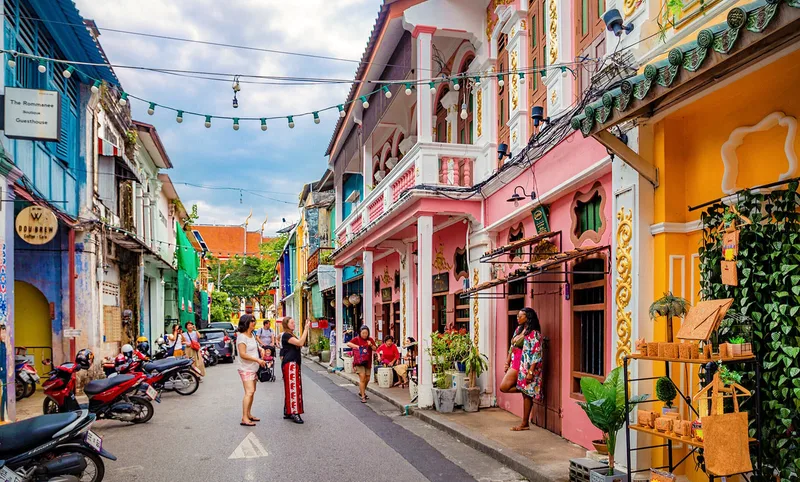
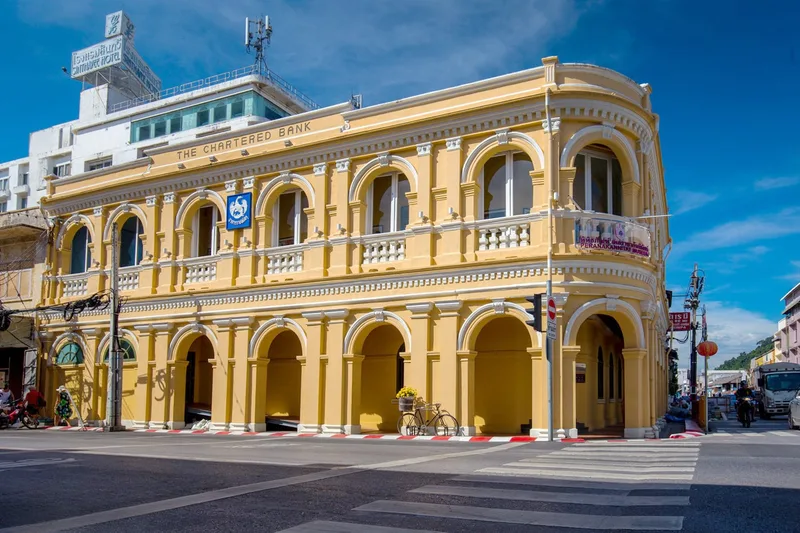
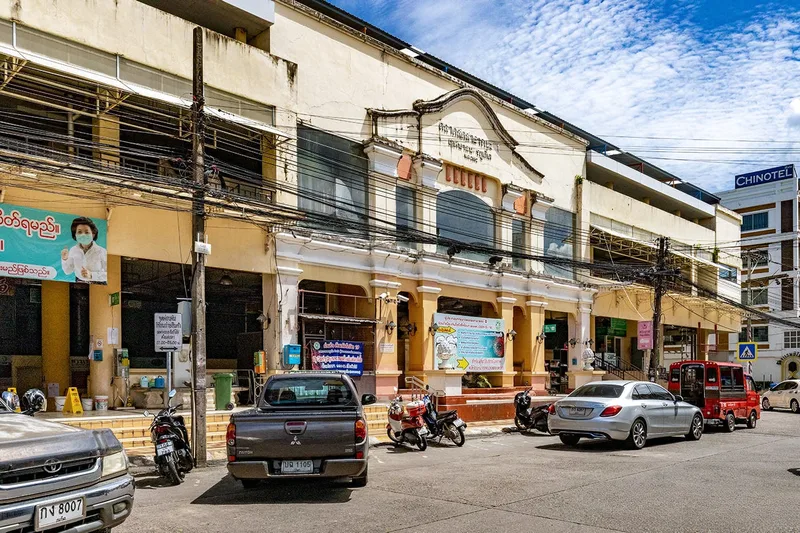
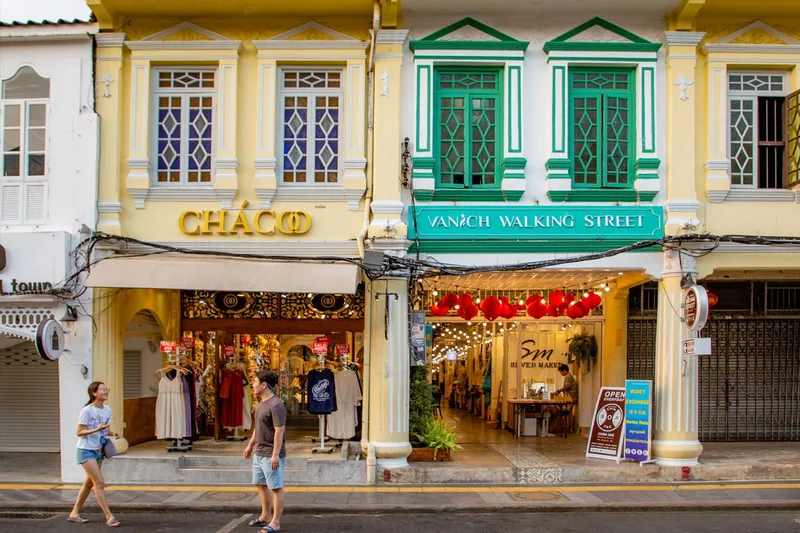
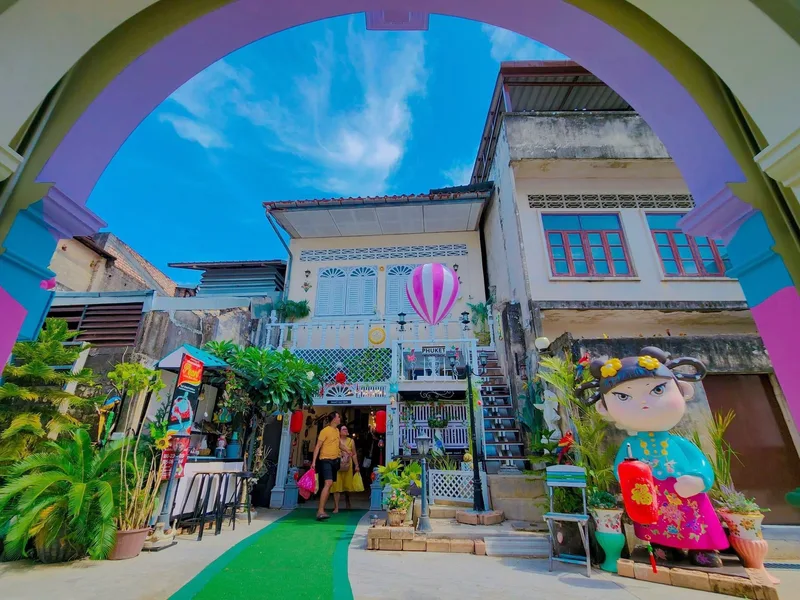
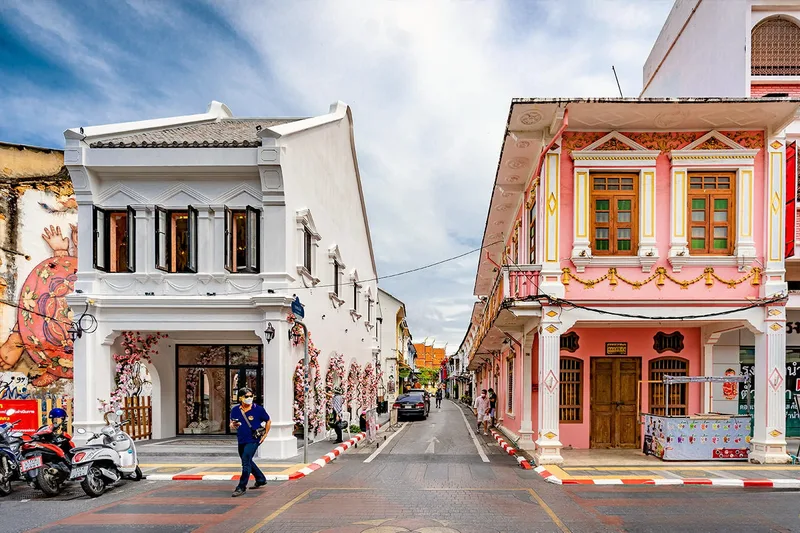
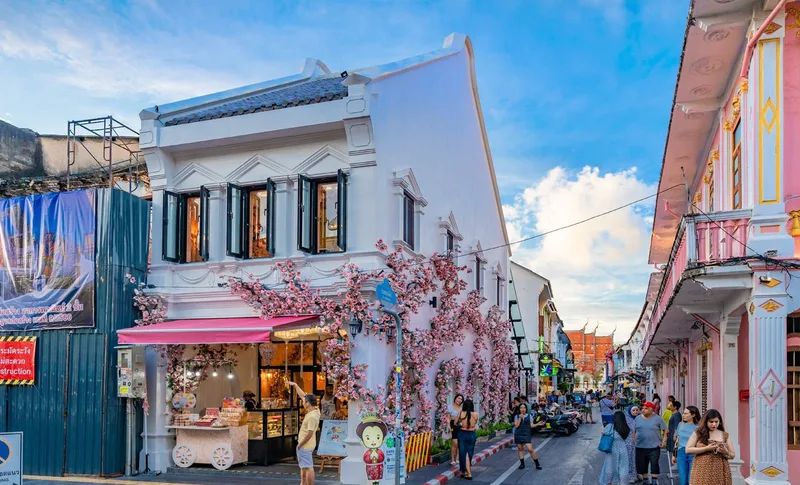
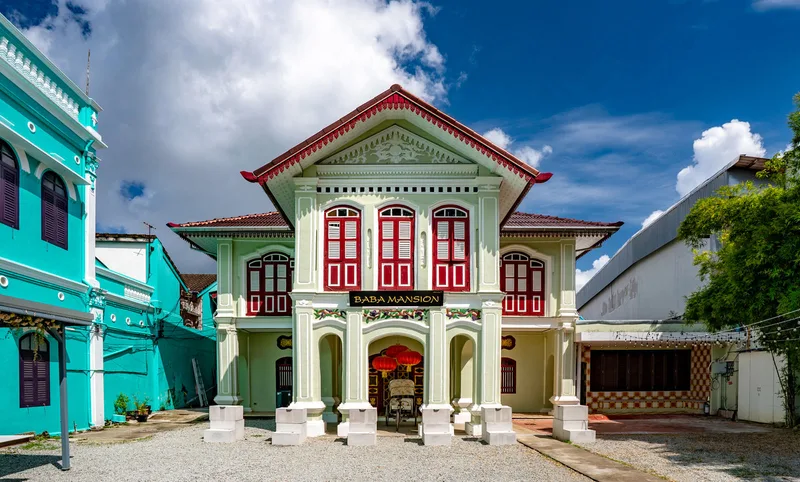
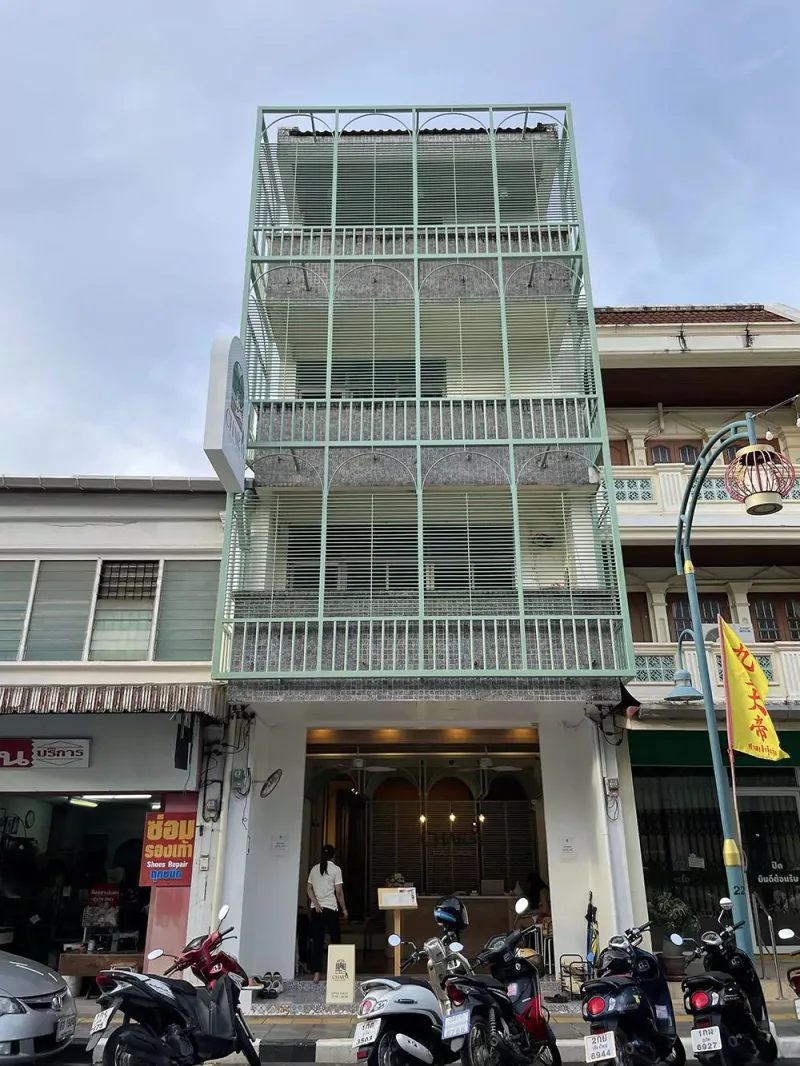
Phuket Old Town is the historic heart of Phuket Town, the provincial capital. It spans nine streets: Thalang, Phang Nga, Dibuk, Yaowarat, Krabi, Ratsada, Phuket and Ranong roads and the narrow lane of Soi Romanee, lined with Sino-Portuguese shophouses and mansions. The quarter straddles Talat Yai and Talat Nuea, the two subdistricts of Phuket City, and runs from Ranong Road's fresh market to the clock tower at Phang Nga and Phuket roads.
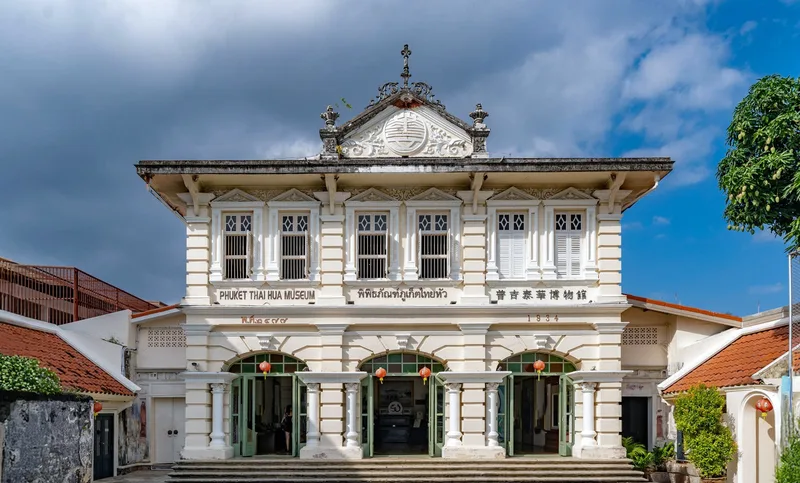
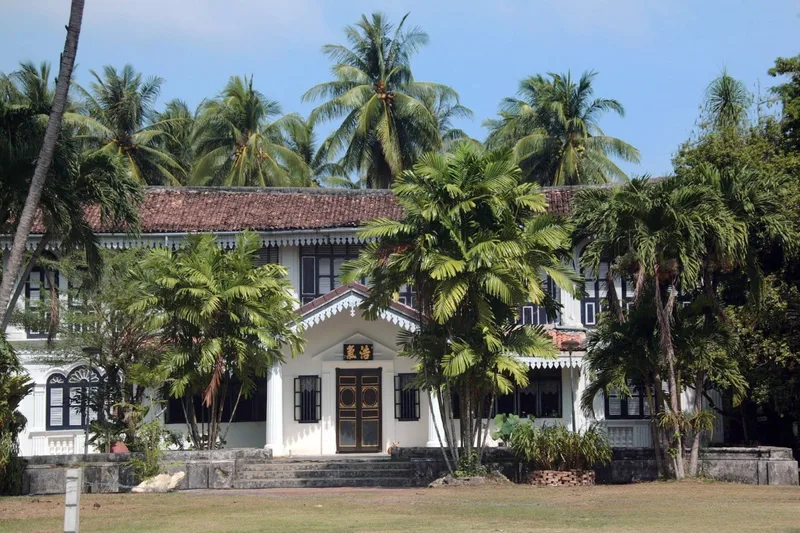
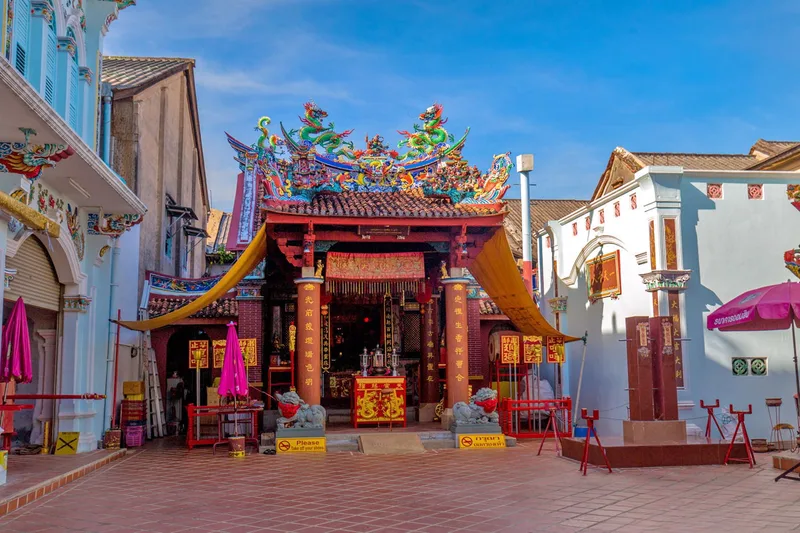
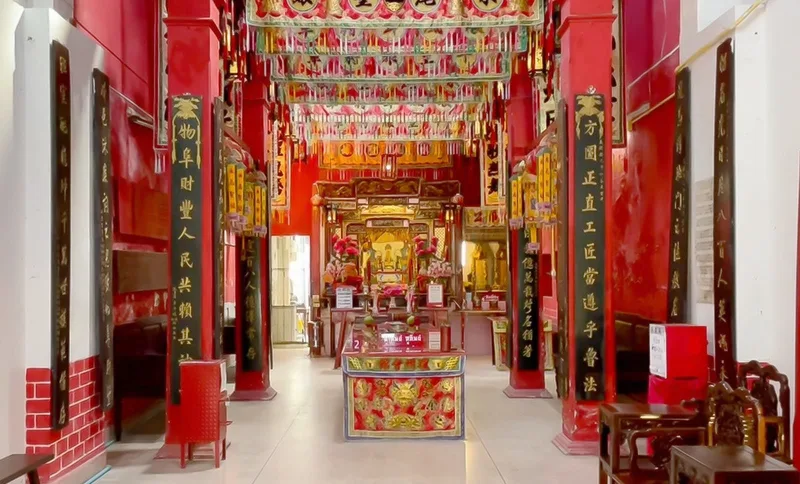
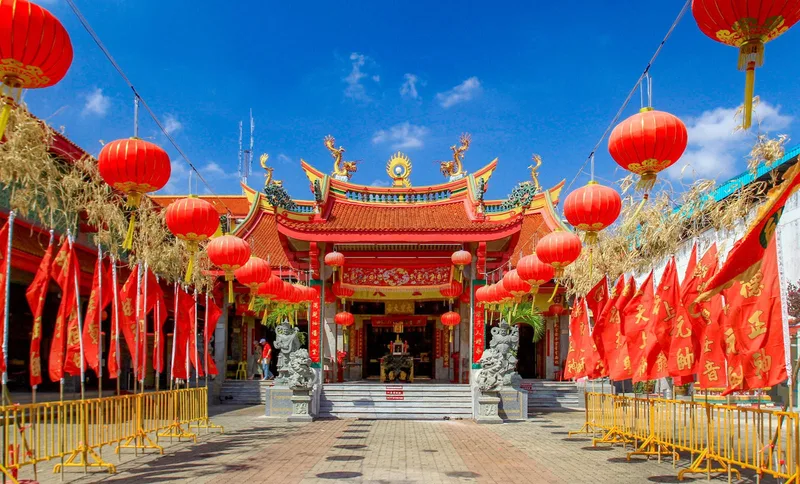
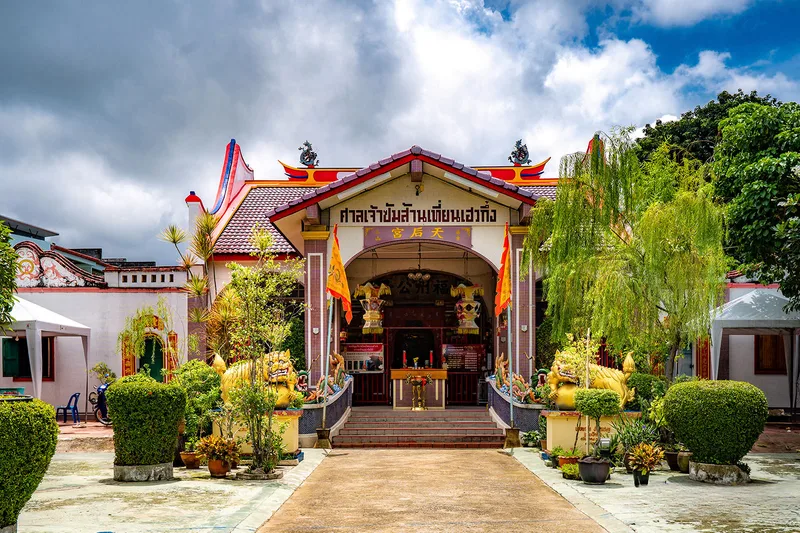
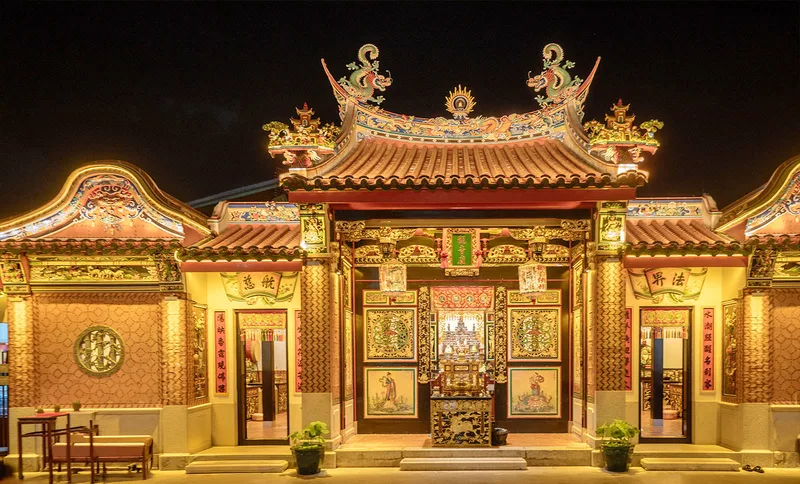
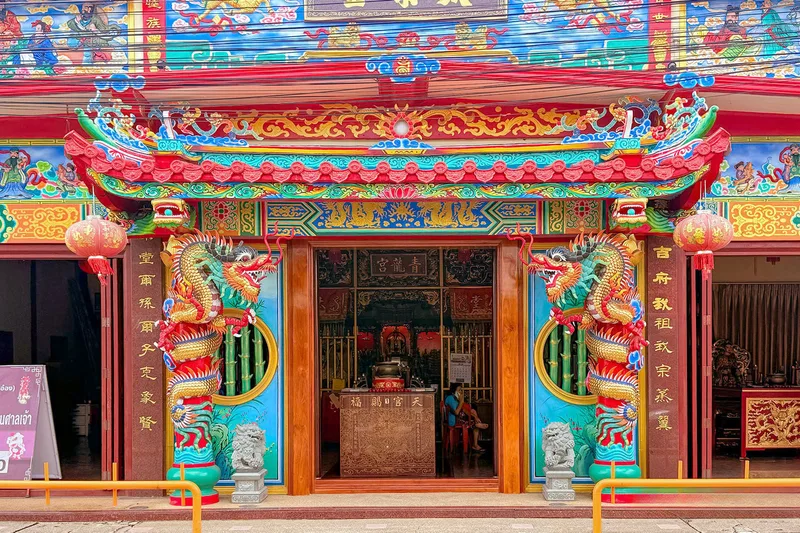
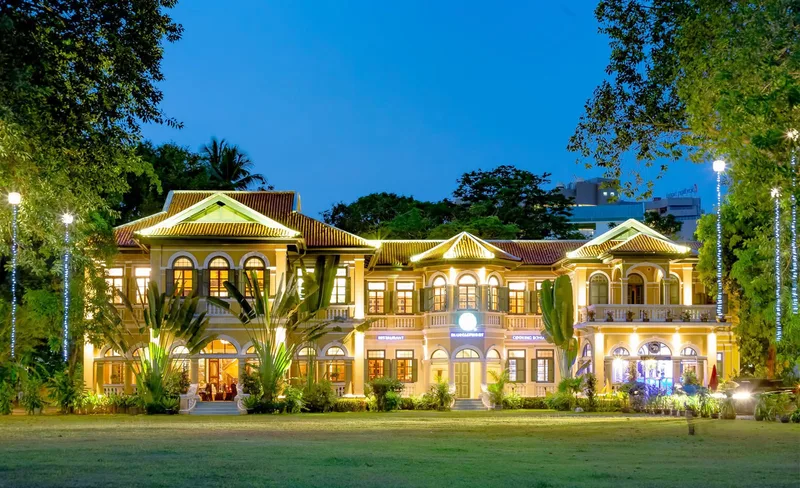
The town grew with the tin mines, which drew Chinese families to the island. Sam San shrine on Krabi Road dates from 1853, the Shrine of the Serene Light from 1891, and Jui Tui moved to Ranong Road after a fire in 1907; in 1910 more than 180 Hainanese bought a house on Thalang Road as a refuge for newcomers. The Thai Hua Museum tells the immigrants' story, and Baan Chinpracha is a mansion its family still lives in.
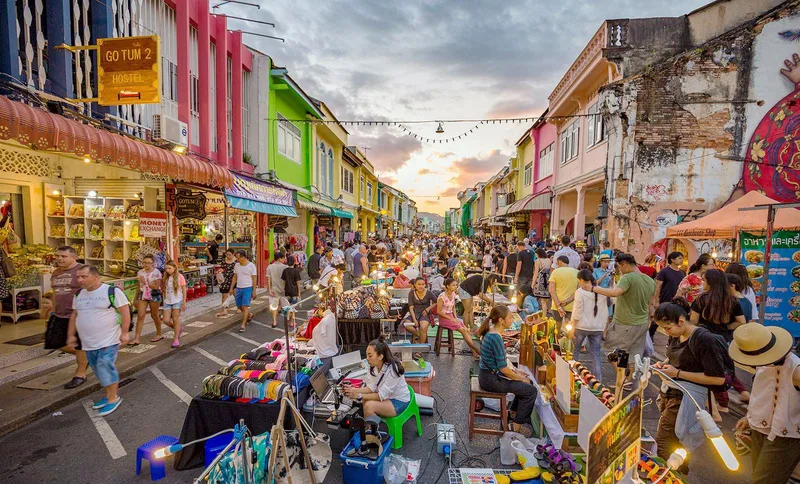
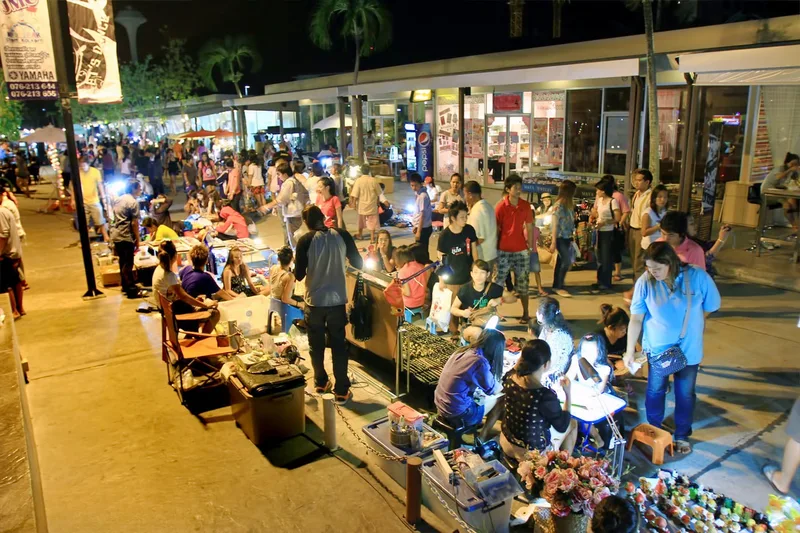
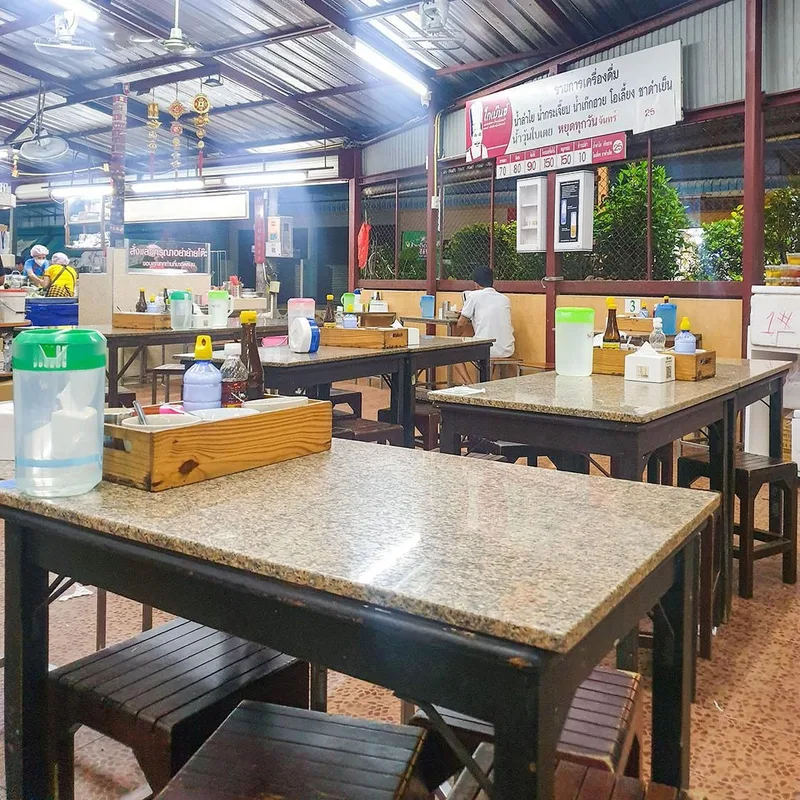
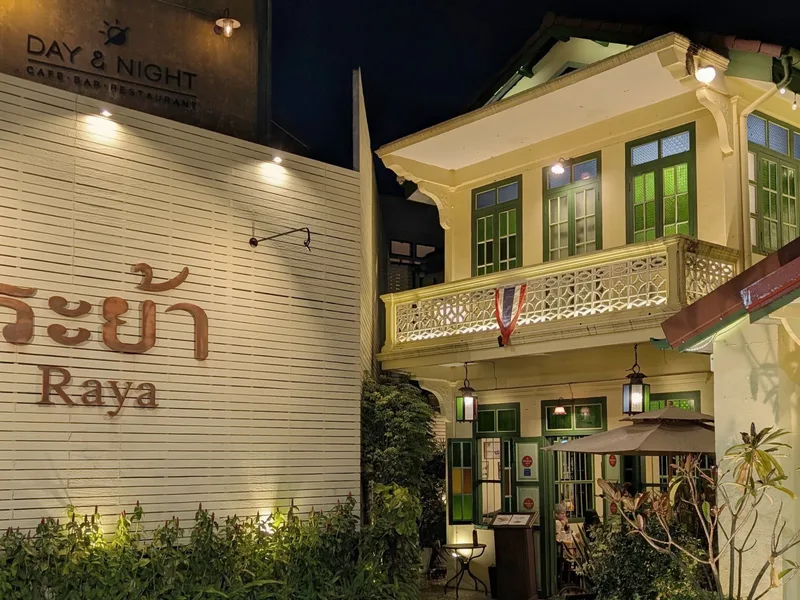
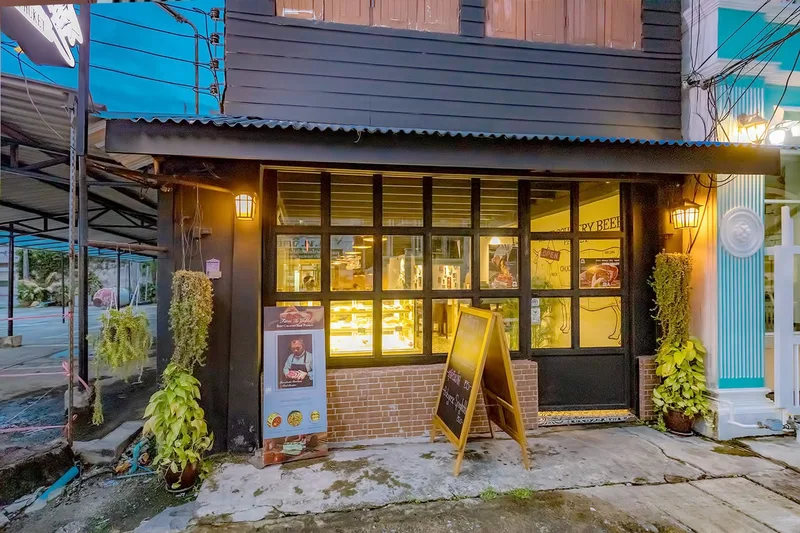
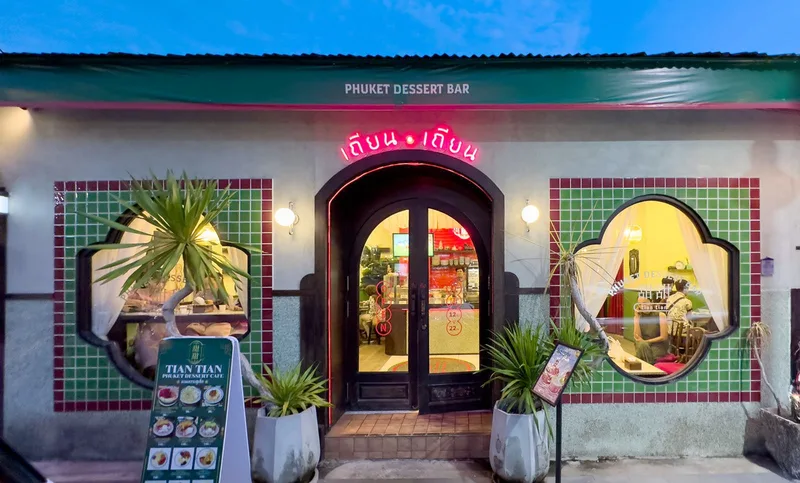
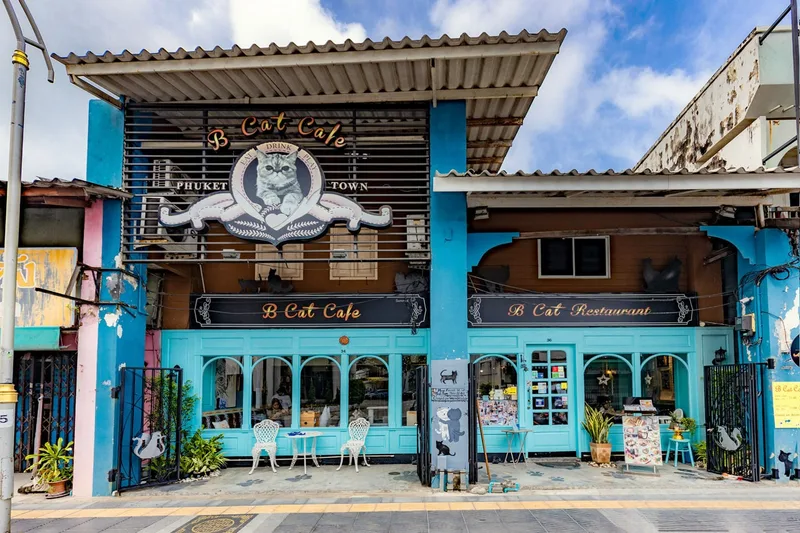
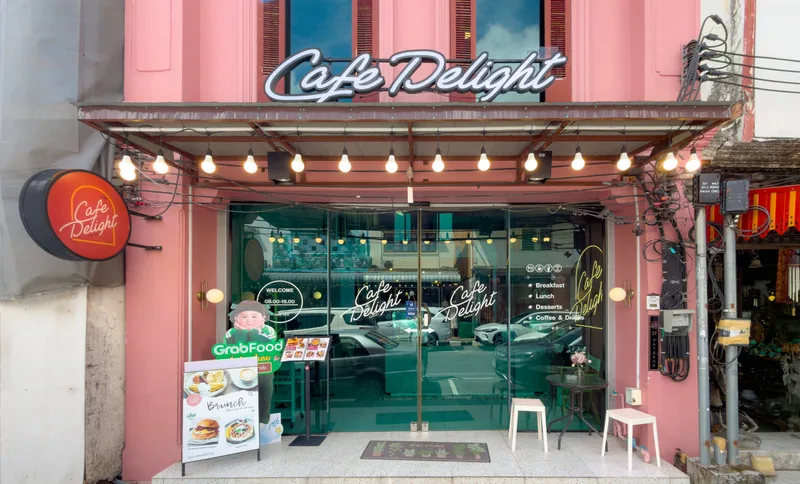
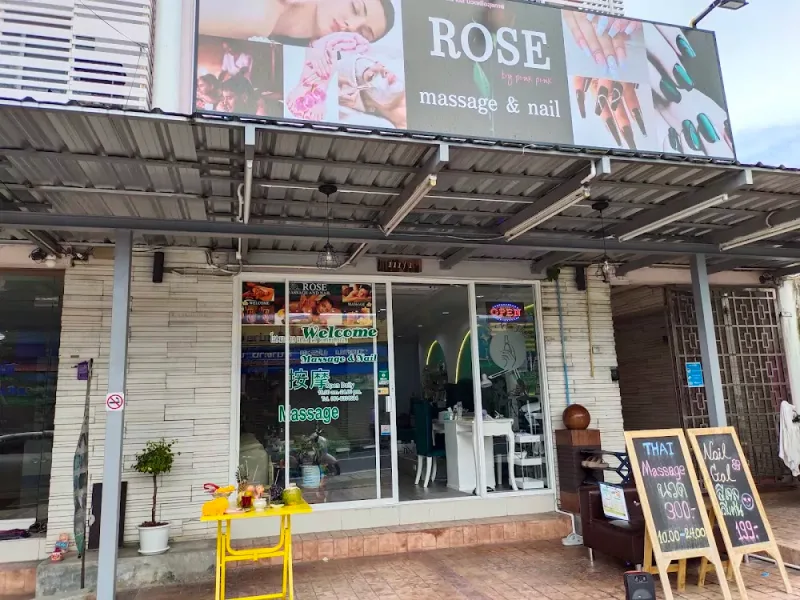
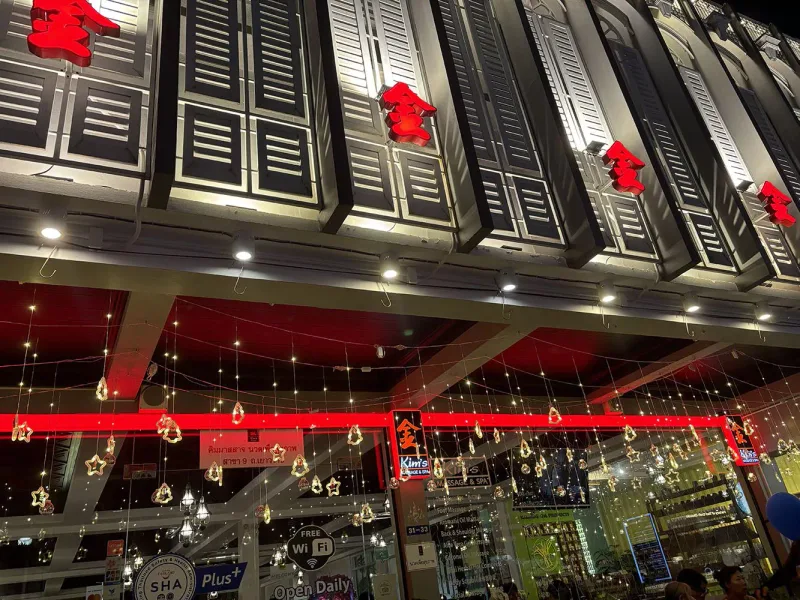
Today the shophouses hold cafés, guesthouses, galleries and small shops, and murals by Thai artists hide down the lanes. Thalang Road closes to traffic every Sunday afternoon for the walking-street market; the Old Town Festival in February and the Vegetarian Festival in October fill the streets. Phuket joined UNESCO's Creative Cities Network for gastronomy in 2015.